Do you work at Morris Museum of Art?
Yes. The galleries and museum lobby can host up to 100 people for a reception or cocktail-style event. Projects at that building are planned against its specific floor rules.
Booth Guide
Trade Show Services of Augusta builds booth types around Augusta venues, CSRA travel patterns, and the sequencing that decides whether a show week stays calm or gets messy.
Booth planning
Booth Types are not cosmetic choices. Inline, island, peninsula, portable, modular, and double-deck formats all create different sightlines, freight loads, install paths, and staffing expectations.
That matters across the Augusta market because a booth that works in a hotel ballroom may not be the right answer for a convention floor or suburban expo hall.
Start here when the structure itself is going to control budget, traffic flow, storage, or reuse.
Booth Type
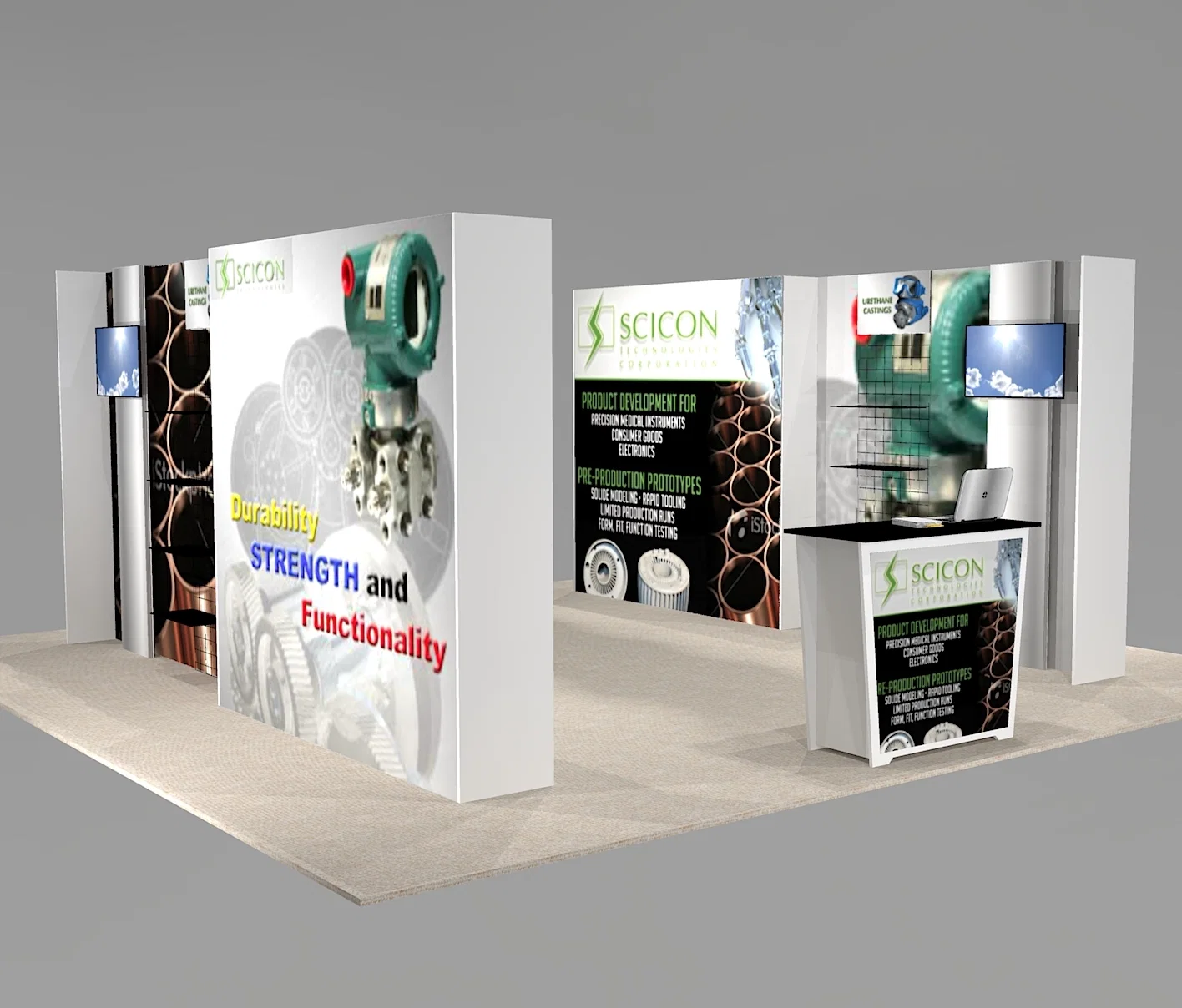
Inline booth displays in Augusta have to turn a shallow footprint into a clear invitation, with the message facing the aisle and the working side tucked out of the way.
Open this booth type →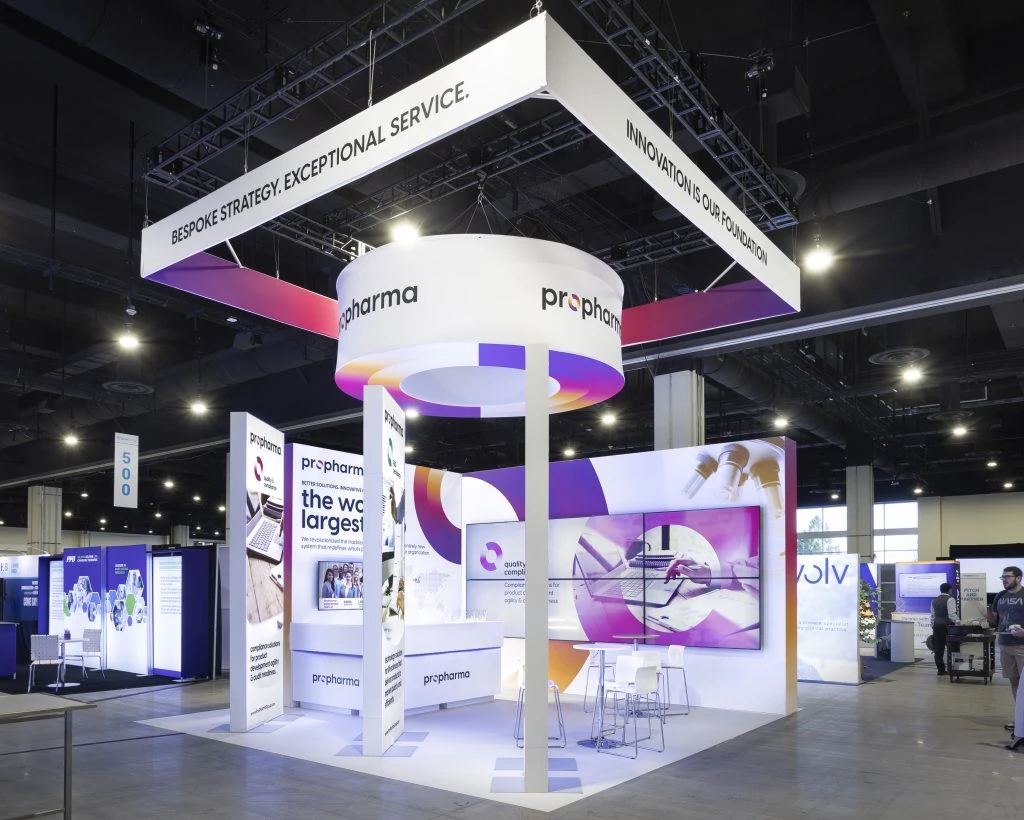
Booth Type
Island Exhibit Booths matters in Augusta when it changes venue coordination, labor timing, freight, graphics, and room-level sequencing, not simply when it sounds good in a scope list.
Open this booth type →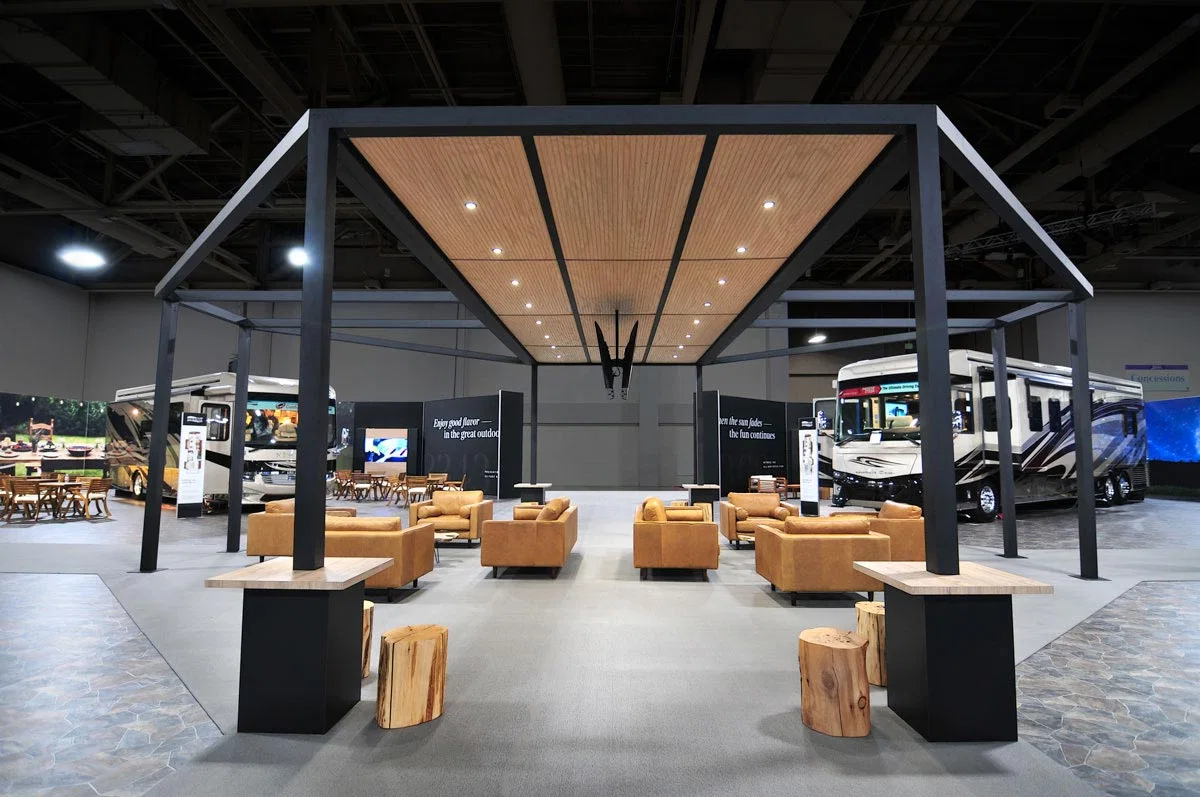
Booth Type
Modular Trade Show Booths in Augusta are an exchange-rate problem between reuse, freight, and brand shape. The section should feel like a kit-logic brief, not a general booth comparison.
Open this booth type →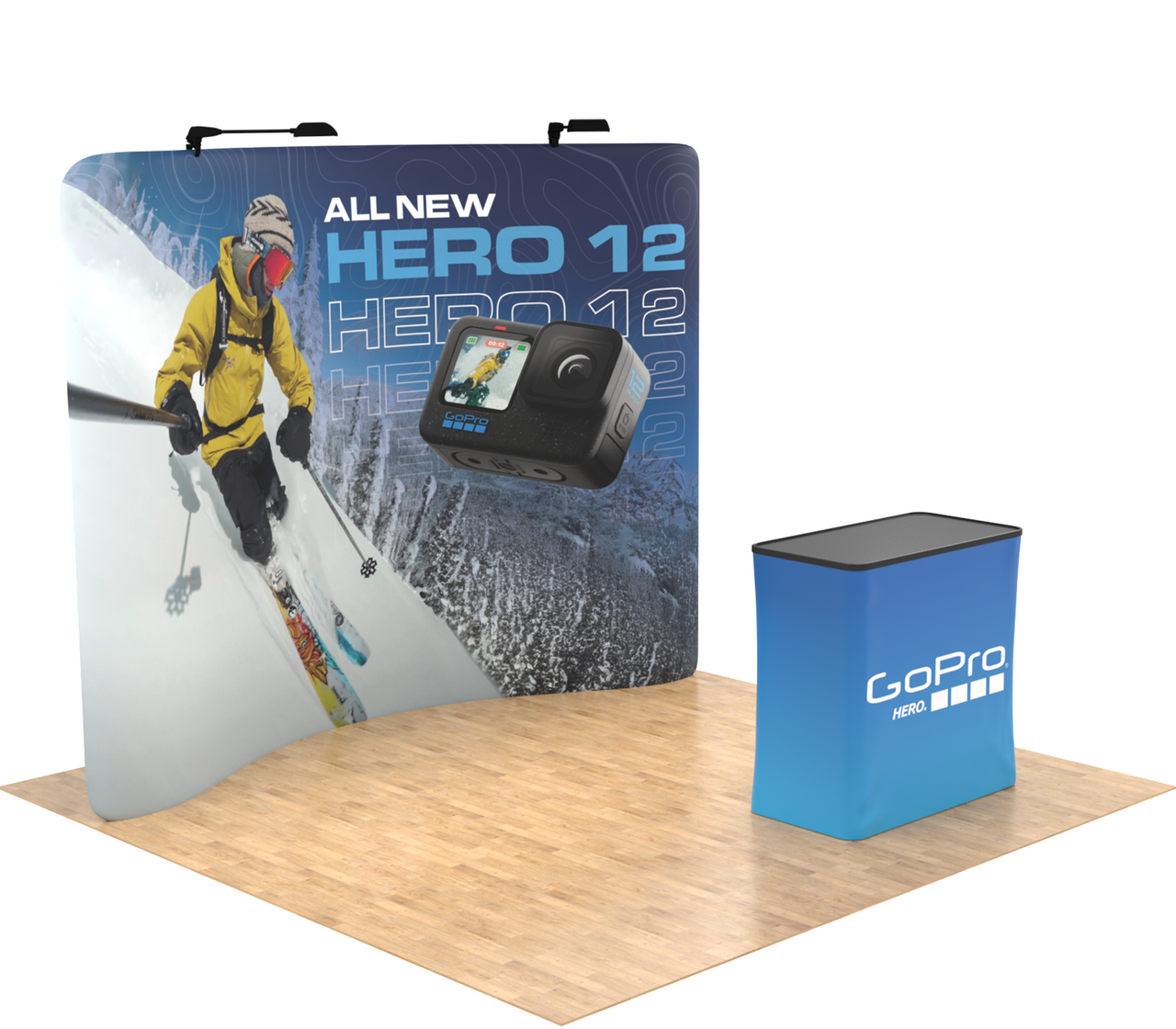
Booth Type
Portable Trade Show Displays in Augusta are the carry-in section. They cover light-footprint displays that need to travel easily, set up quickly, and still read like a real branded asset instead of a temporary stopgap.
Open this booth type →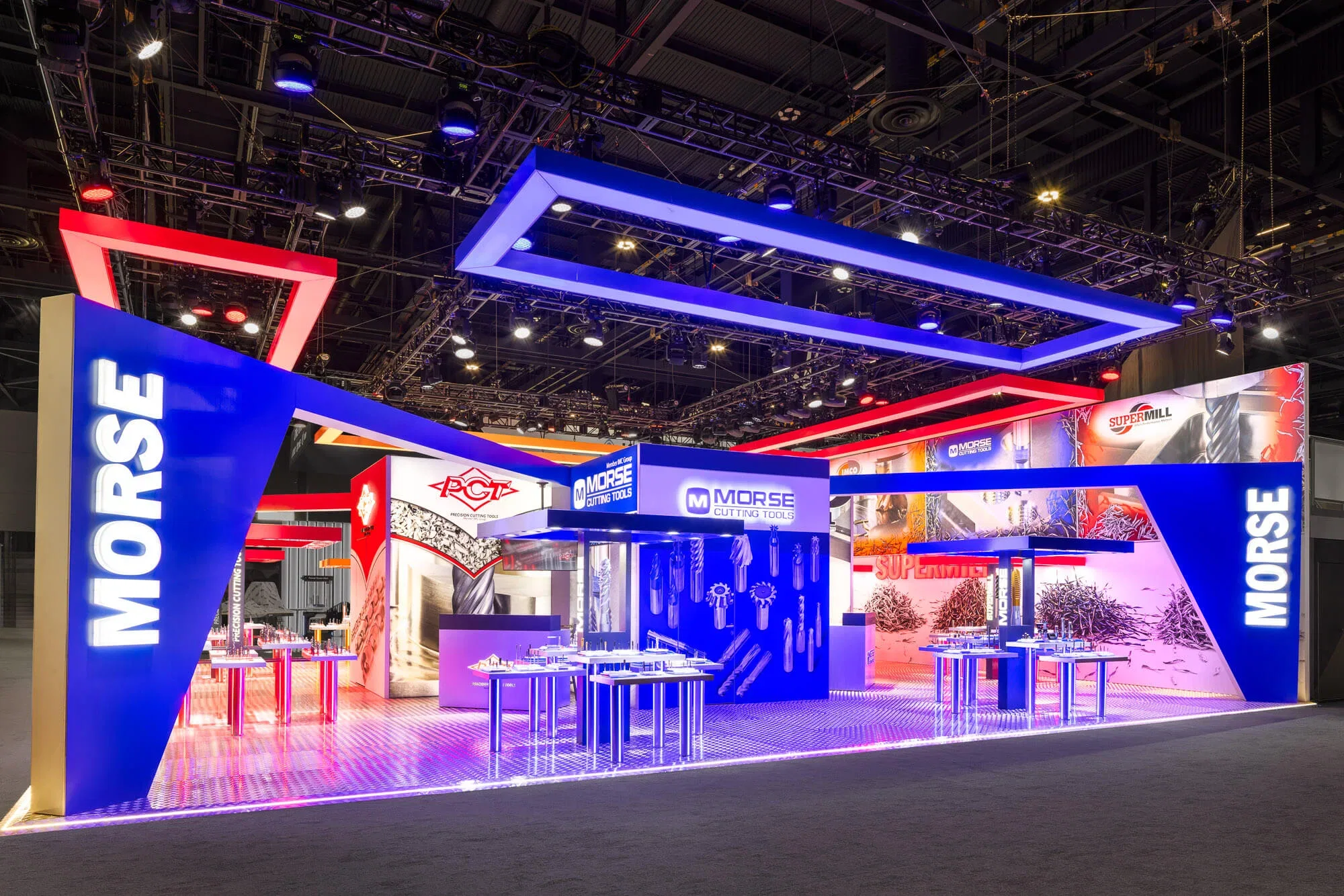
Booth Type
Custom Exhibit Booths in Augusta is the section for brands that want a room to look built for them, not borrowed from a template. The key decisions are silhouette, sightline, finish quality, hardware, and whether the booth needs to…
Open this booth type →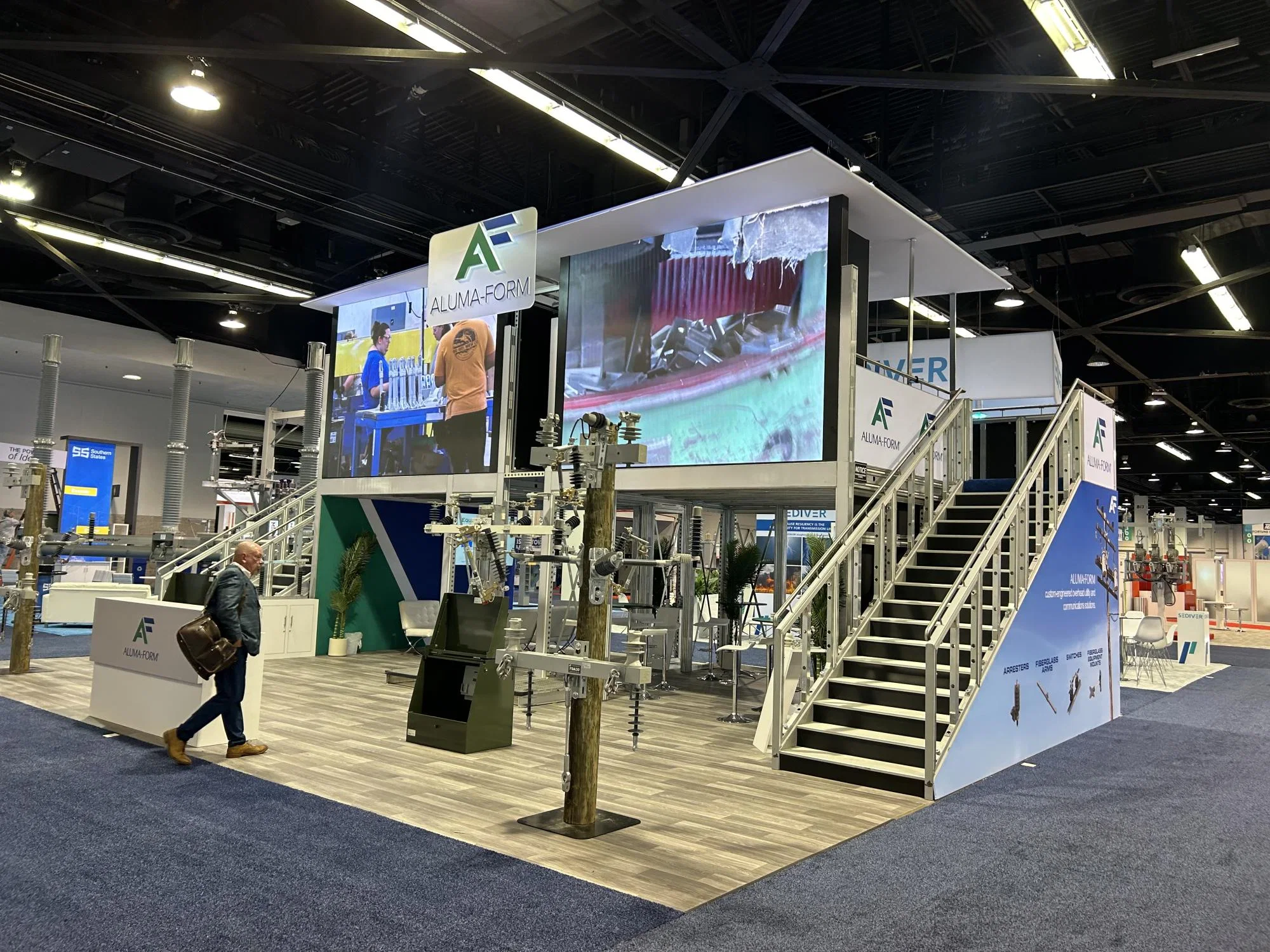
Booth Type
Double-Deck Exhibits in Augusta is the vertical planning section. The conversation changes as soon as a second level enters the picture because sightlines, access, code, weight, privacy, and brand presence all start interacting in…
Open this booth type →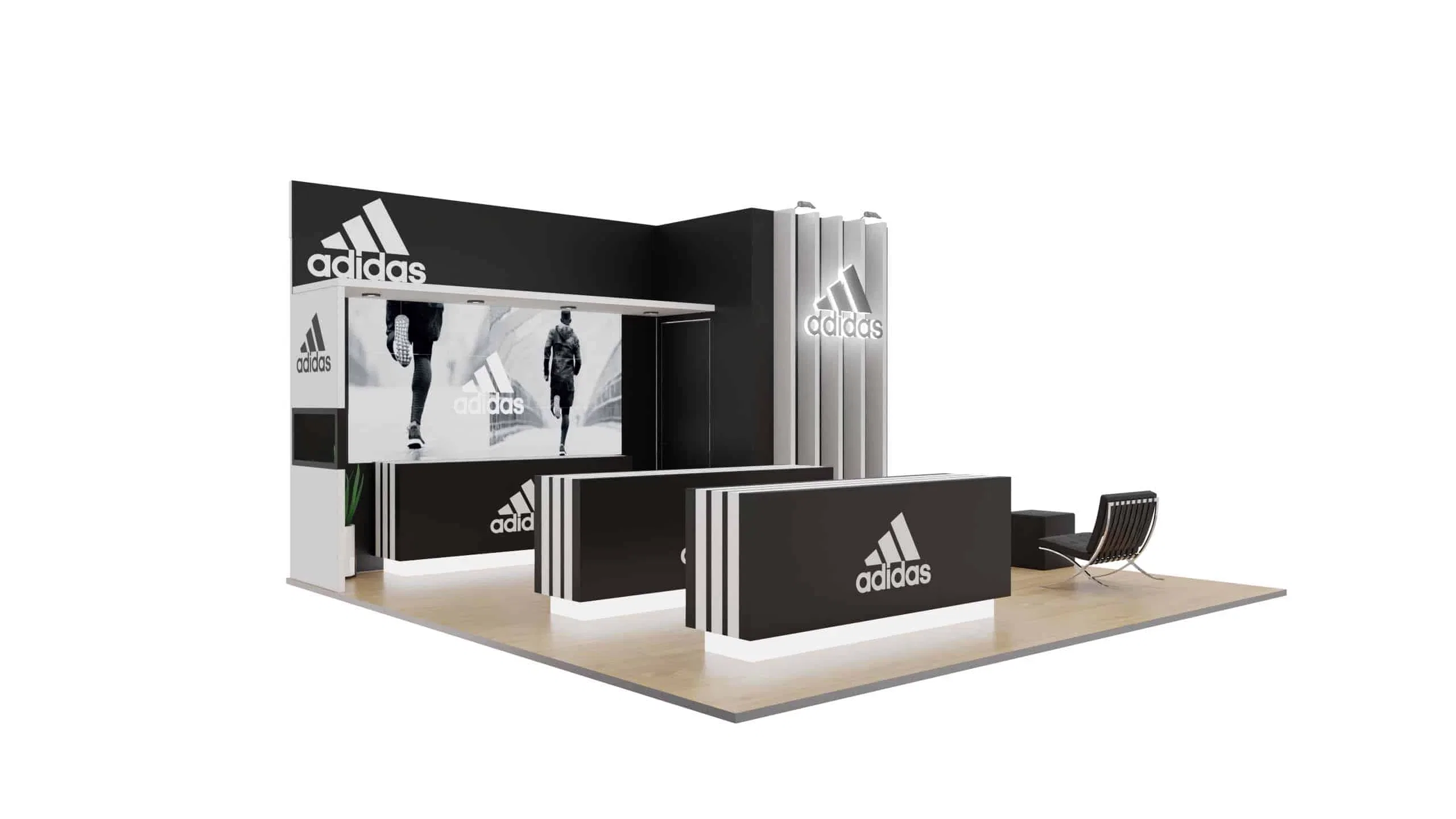
Booth Type
Rental Exhibit Booths in Augusta is the fast-turn section. It covers booth packages that need to arrive ready, install quickly, and still give the brand enough room to look intentional without the schedule getting swallowed by custom…
Open this booth type →Booth Type
Conference Booth Displays in Augusta are the meeting-forward booths. They support conversation, consultation, and a calmer room rhythm than a hard-sell display usually wants.
Open this booth type →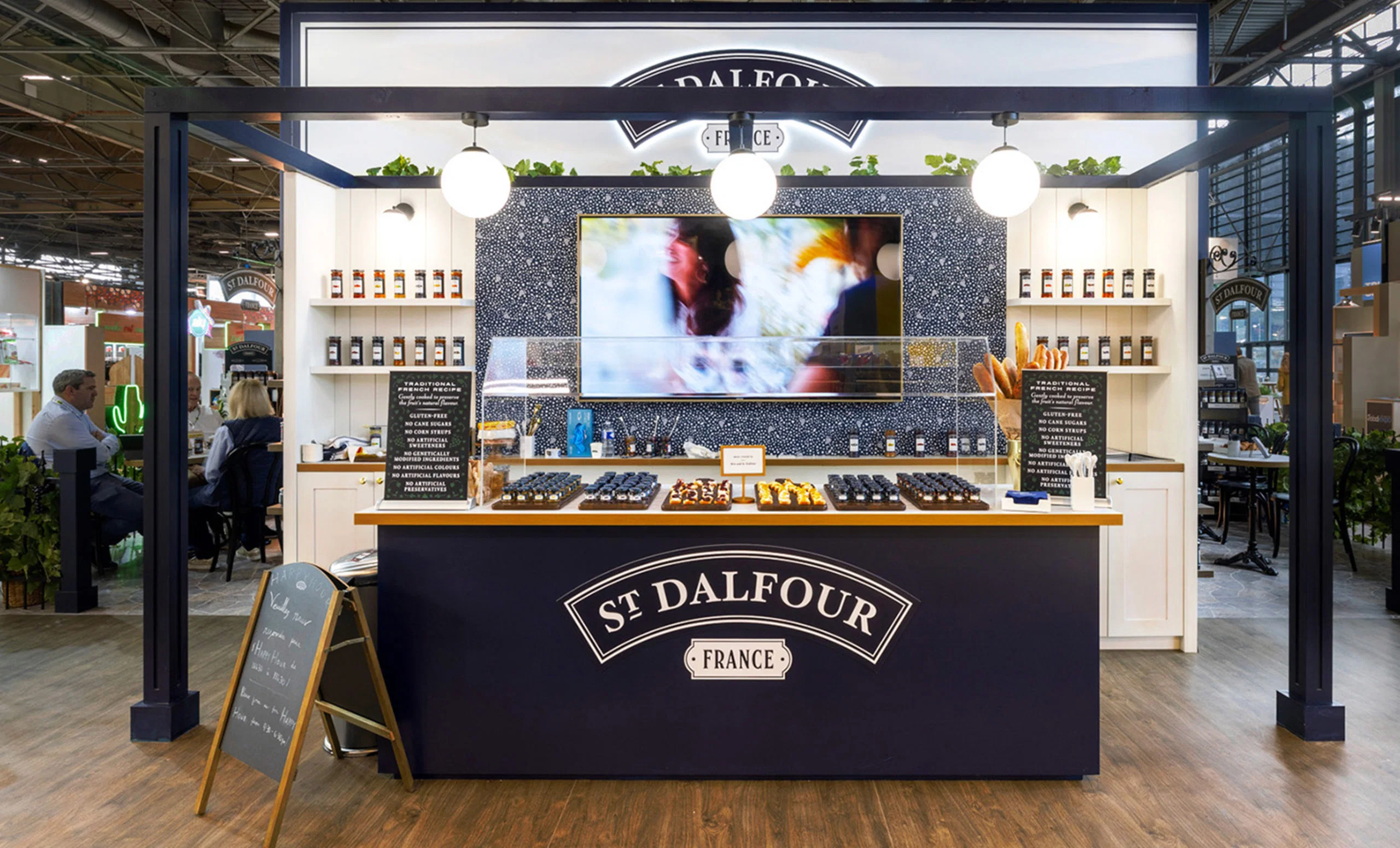
Booth Type
Peninsula exhibit booths in Augusta have to behave like a pull-through space: open enough to invite traffic, but disciplined enough that the support side never spills into the public floor.
Open this booth type →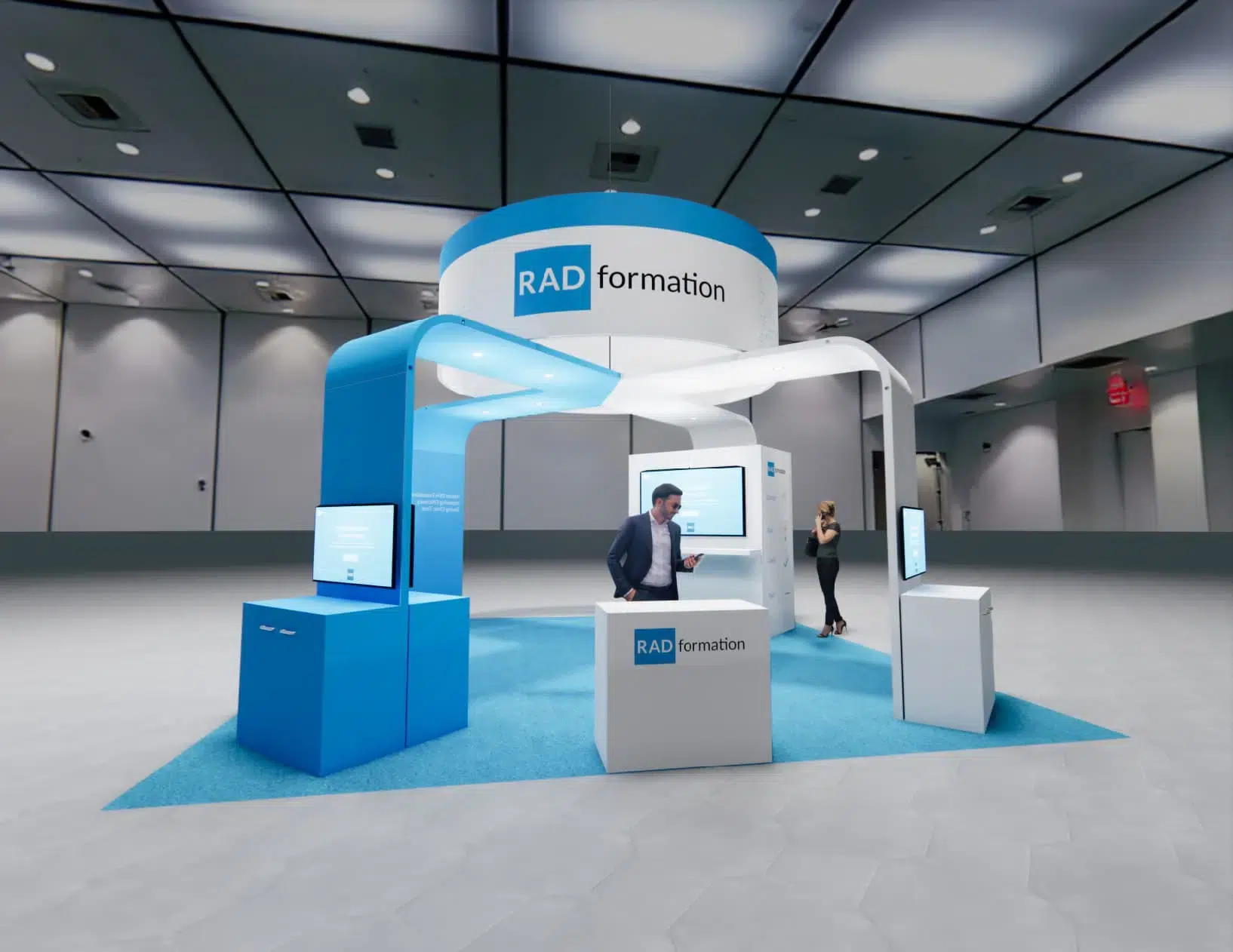
Booth Type
20x20 Trade Show Booths in Augusta is the square-footprint planning section. It is about how a larger inline-style square changes meeting space, demo flow, product visibility, and how the booth reads from the aisle once the footprint…
Open this booth type →Booth Type
A 10x10 trade show booth in Augusta gives you about a hundred square feet to make one idea land, so the whole plan comes down to choosing the single message the aisle reads before anyone slows down.
Open this booth type →Booth Type
A 10x20 trade show booth in Augusta doubles your frontage to roughly two hundred square feet, which is enough to split the space into a draw zone and a conversation zone instead of cramming both into one wall.
Open this booth type →Booth Type
Backlit and LED displays give an Augusta booth its own light source, which is exactly what you want in a convention hall where ambient lighting is flat and every neighboring graphic is fighting for the same eye.
Open this booth type →Booth Type
Banner stands and retractable displays are the most portable tools in an Augusta exhibitor's kit, the ones that ride in a car trunk to a recruiting fair in Grovetown one week and dress a hotel ballroom the next.
Open this booth type →Booth Type
Table top displays and throws are how an Augusta exhibitor turns a venue's bare six-foot table into a finished, branded presence, the right call when the event hands you a table rather than a booth.
Open this booth type →Booth Type
A backwall is the single largest graphic in most Augusta booths, so the backdrop display decision sets the tone for everything in front of it, whether that is a smooth SEG wall, a quick pop-up, or a step-and-repeat for the cameras.
Open this booth type →Augusta's event landscape spans convention floors, hotel ballrooms, civic venues, and outdoor properties. The booth types layer has a specific job inside that broader picture.
Trade Show Services of Augusta builds booth types around Augusta venues, CSRA travel patterns, and the sequencing that decides whether a show week stays calm or gets messy. That framing is what separates this index from a flat city directory.
Augusta's venue mix runs from convention floors and conference hotels to civic landmarks and outdoor settings. The booth types index points to where each format actually fits.
That match-up matters because the venue carries half of the operational weight; the booth types brief carries the other half.
Augusta venues each publish their own load-in windows, labor rules, and service expectations. For the booth types side, those rules shape the design and the field plan.
That is the difference between a booth types program that lands cleanly and one that runs into the venue's calendar in the last 48 hours.
Planner questions
Yes. The galleries and museum lobby can host up to 100 people for a reception or cocktail-style event. Projects at that building are planned against its specific floor rules.
Labor for Augusta booth types is venue-specific. Each property publishes its own rules, the show organizer adds another layer, and the program brief sets the rest. Crew sizing follows from those three inputs in that order.
Earlier is better. Custom builds for Augusta booth types run best with sixteen to twenty weeks; rentals run shorter; calendar-sensitive programs need nine to twelve months on lodging and labor.
Date, venue or shortlist, expected headcount, and a budget range. Those four pieces are enough to test whether the booth types brief can actually land in Augusta as intended.
One named field lead carries the schedule, the floor plan, and the venue contact. That stays the standard regardless of which booth types entry the program is using.
Often, yes. The booth types discipline carries; the venue-specific rules do not. Modular builds, repeatable playbooks, and refreshed graphics are how the program shows up clean in the next city.
The on-site lead handles it: minor fixes in place, bigger issues routed through the venue's service desk or a local shop. The pattern is the same across booth types; the speed of the response is what differs.
Ready to brief your project?
Start with the venue, show date, service mix, and project goals. From there we can sort the routing, staffing, and service-order calls that matter most once the schedule tightens.