



Market Guide

Locations for Augusta trade show teams

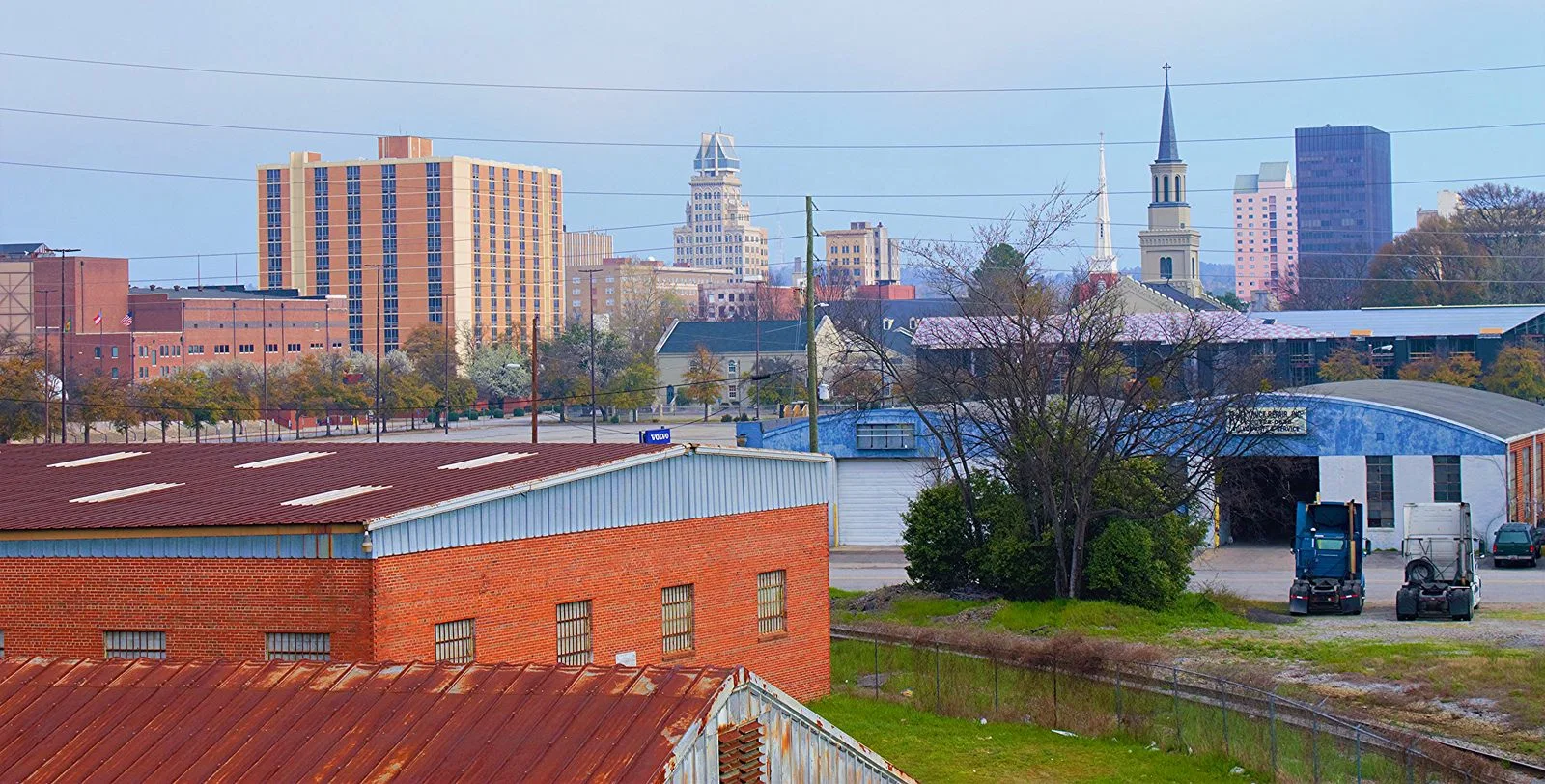
Trade Show Services of Augusta builds locations around Augusta venues, CSRA travel patterns, and the sequencing that decides whether a show week stays calm or gets messy.

Metro guide

Locations for Augusta buyers and event teams

Locations in the CSRA are not interchangeable. Downtown rooms, West Augusta hotels, Columbia County expo inventory, North Augusta riverfront space, and Aiken-side venues each create different access and lodging patterns.

Those differences show up fast in staffing, drive times, freight routing, room blocks, and the way guests move between meetings, exhibits, and hospitality.

This lineup keeps the geography practical so teams can choose the right side of the market before they lock the rest of the plan.

Augusta

Location

Augusta

Augusta is the full host-city section for the CSRA. Choosing it means deciding between the downtown convention grid, Augusta University and medical-district access, the Washington Road hotel belt, airport-side arrivals, civic…

Open this location →
Downtown Augusta

Location

Downtown Augusta

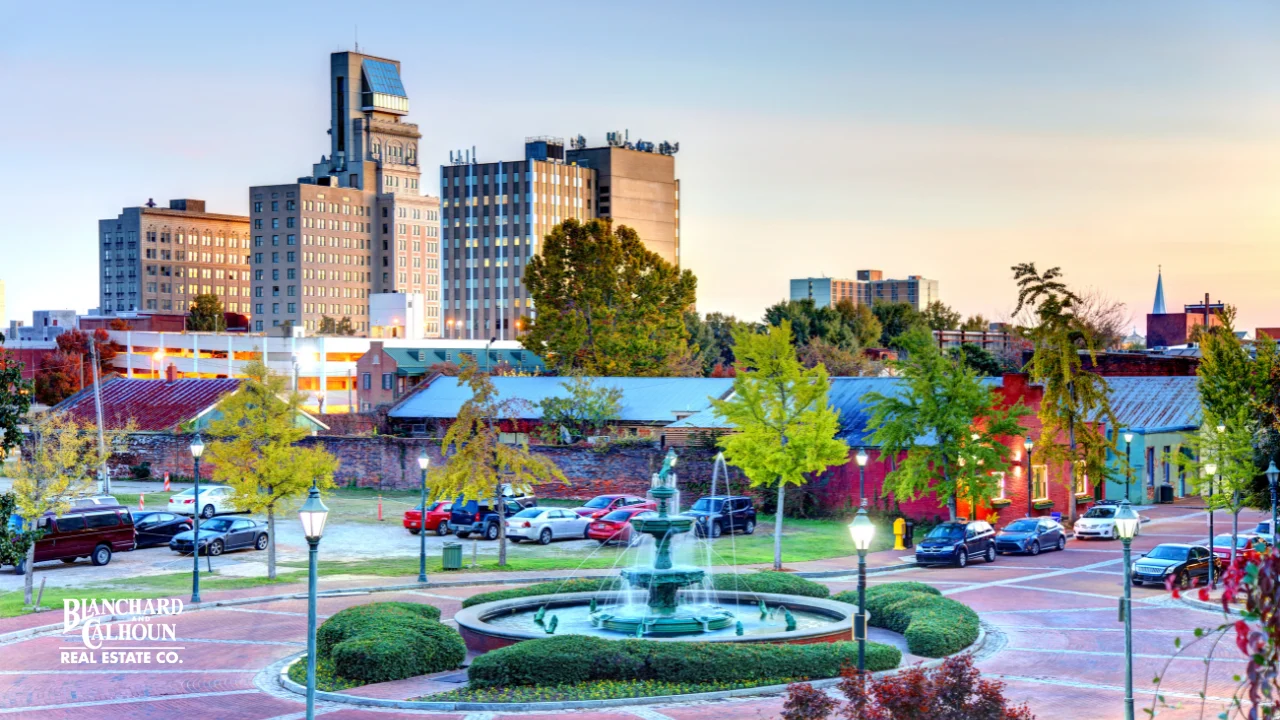
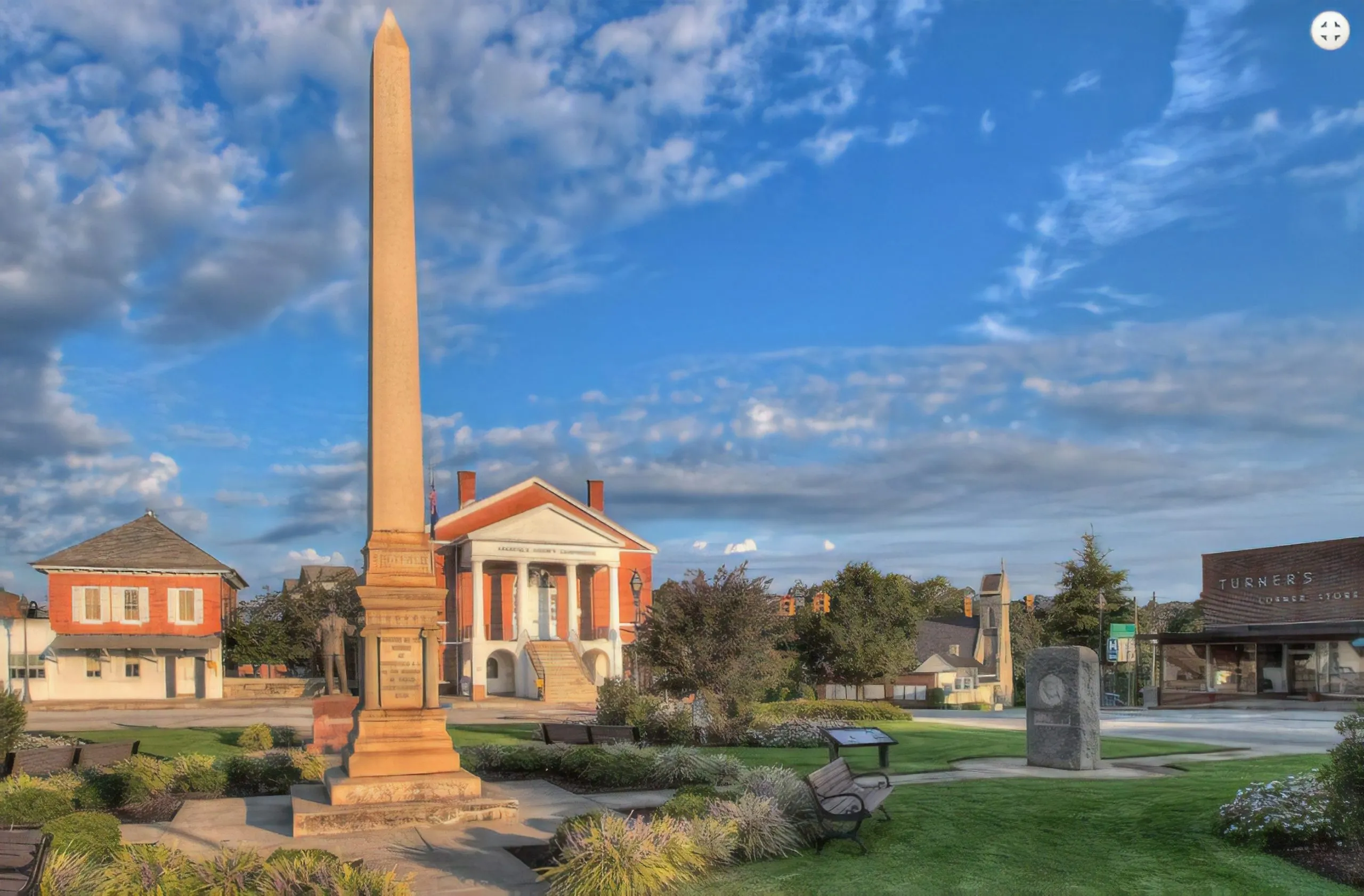
Downtown Augusta is the compressed handoff district. The problem here is not choosing the market; it is managing what happens when ballroom releases, hotel elevators, parking decks, riverfront foot traffic, and dinner timing all…

Open this location →
Riverfront Augusta

Location

Riverfront Augusta

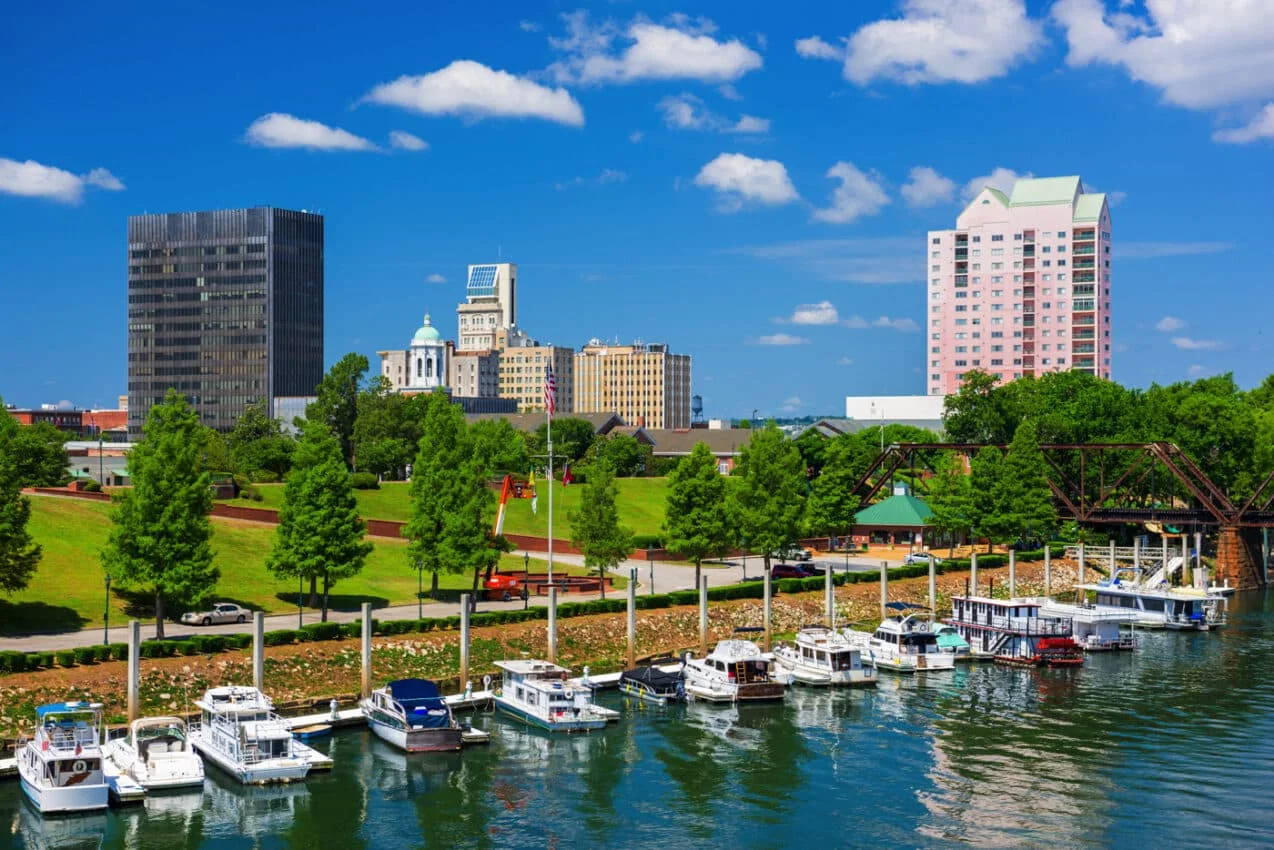
Riverfront Augusta is a guest-experience district first. The event has to respond to water-edge atmosphere, walkable social flow, and the way the riverfront changes how a program feels once people leave the main room.

Open this location →
Medical District Augusta

Location

Medical District Augusta

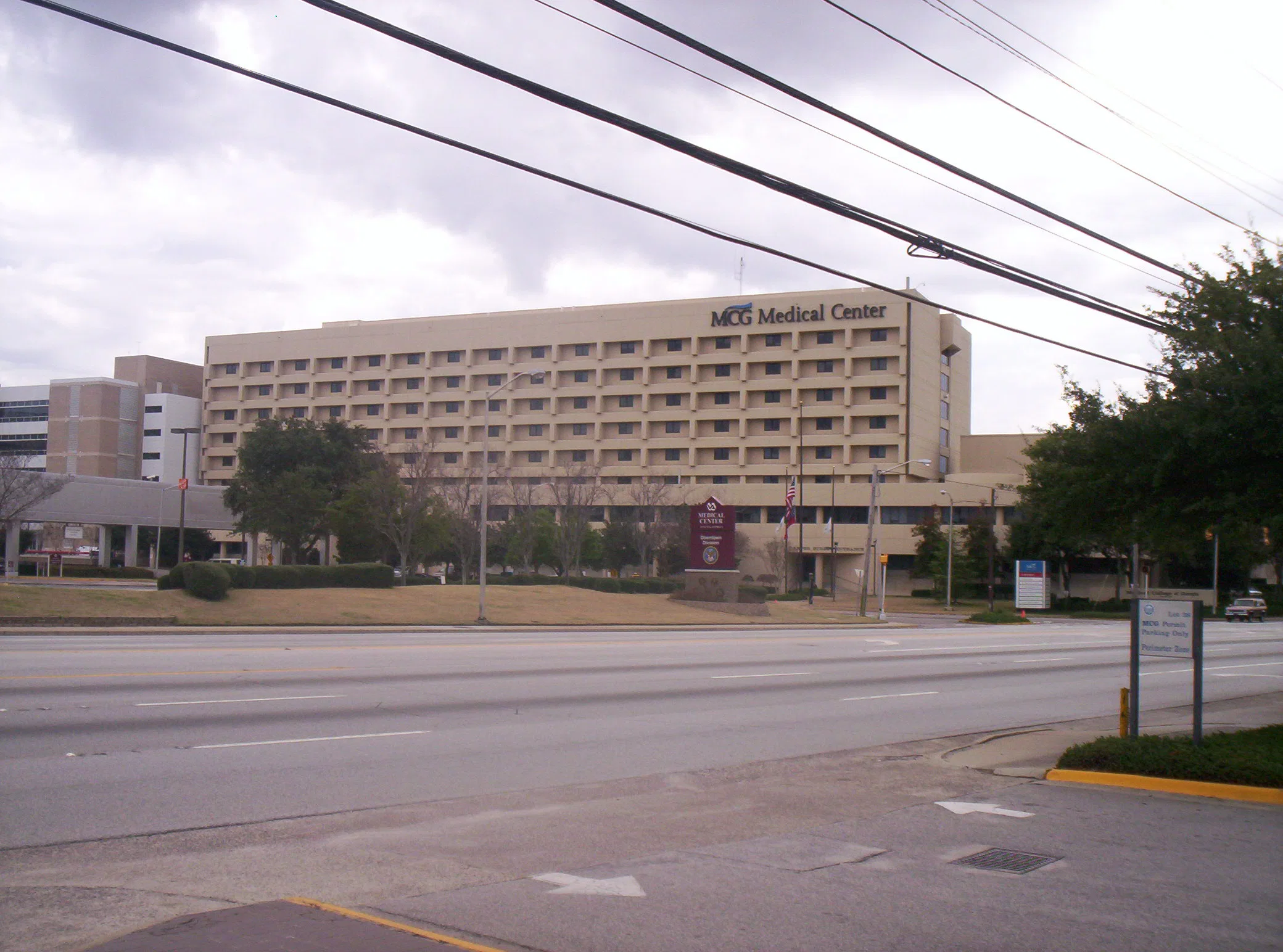
Medical District Augusta is a provider-and-research district. The event brief is formed by clinicians, hospital systems, patient-care context, accreditation-minded seriousness, and an audience that values trust and practical utility…

Open this location →
Georgia Cyber Center District

Location

Georgia Cyber Center District

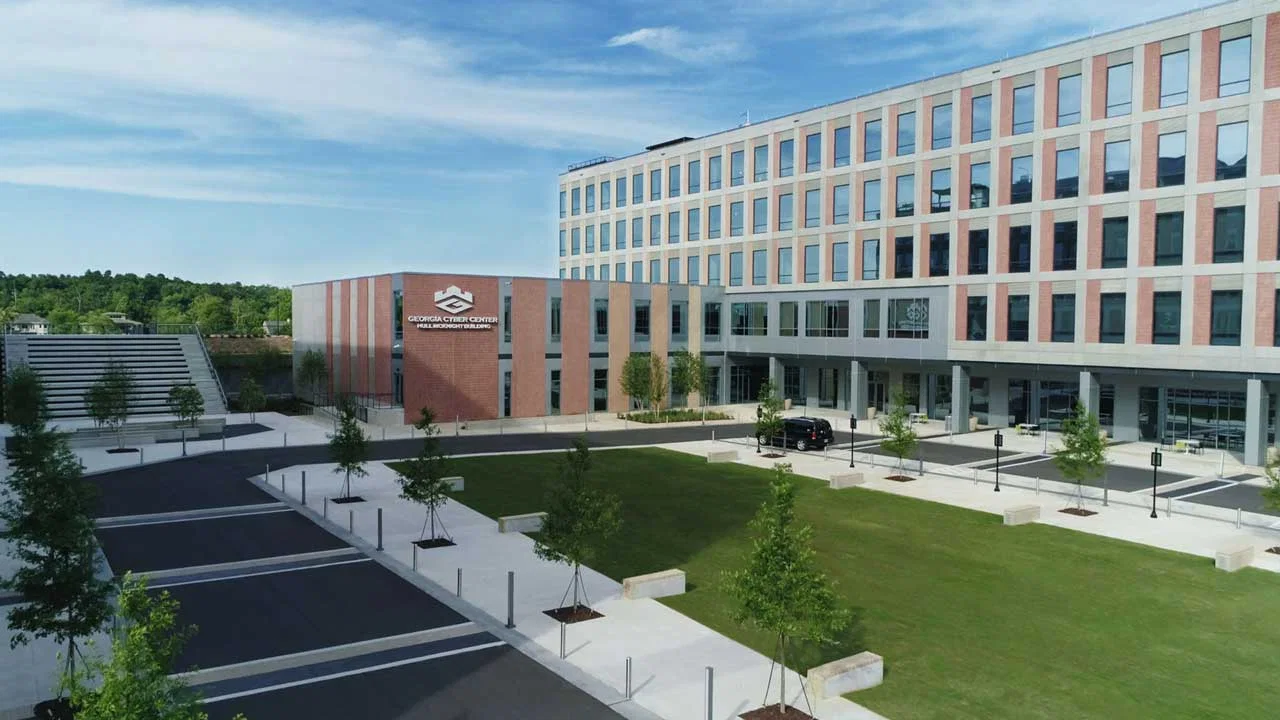
The Georgia Cyber Center District is a cyber-and-workforce cluster. The event brief here is formed by technical talent, defense-adjacent partnerships, labs, demos, student pipelines, and an audience that expects real subject-matter depth.

Open this location →
Summerville

Location

Summerville

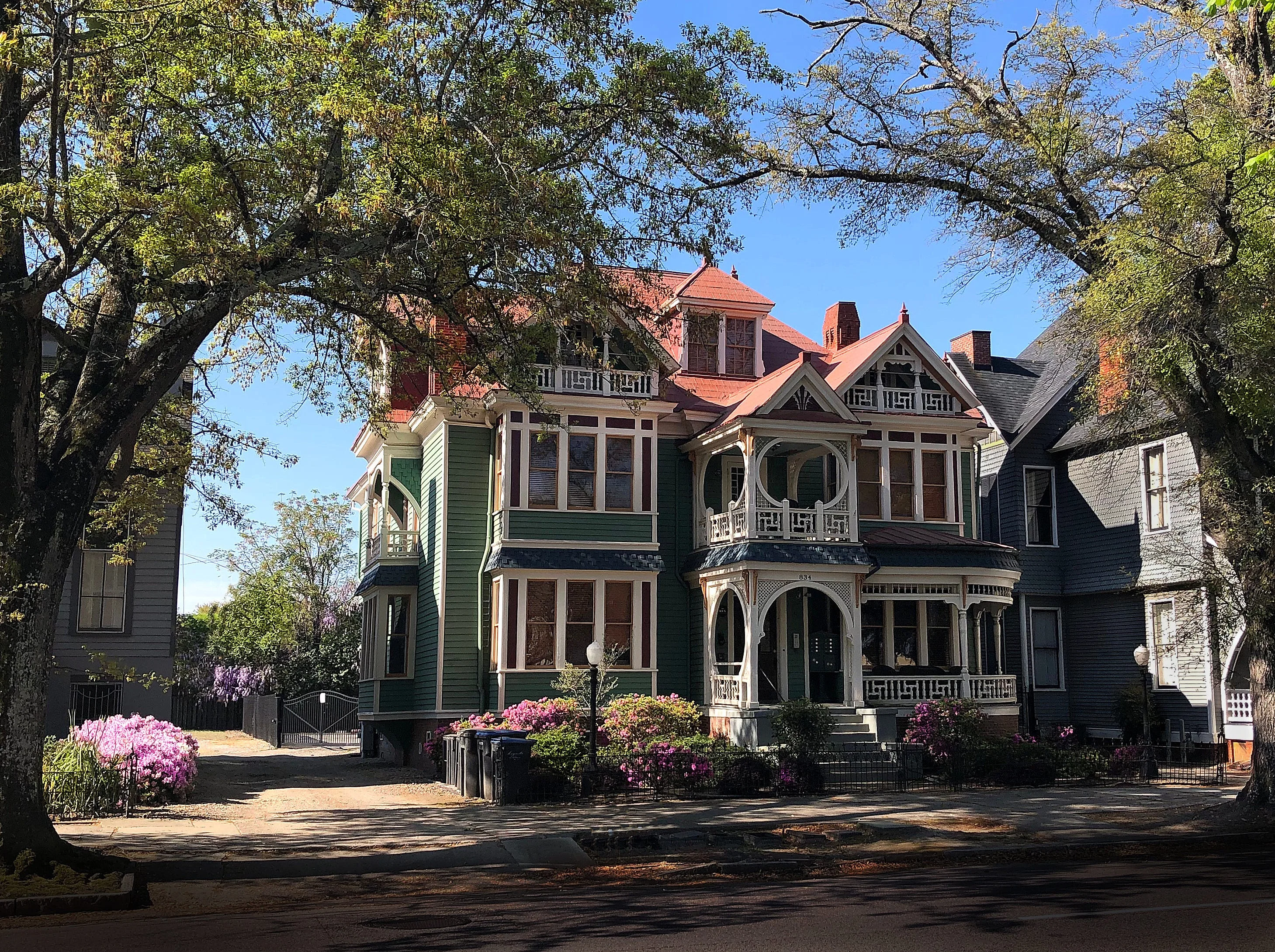
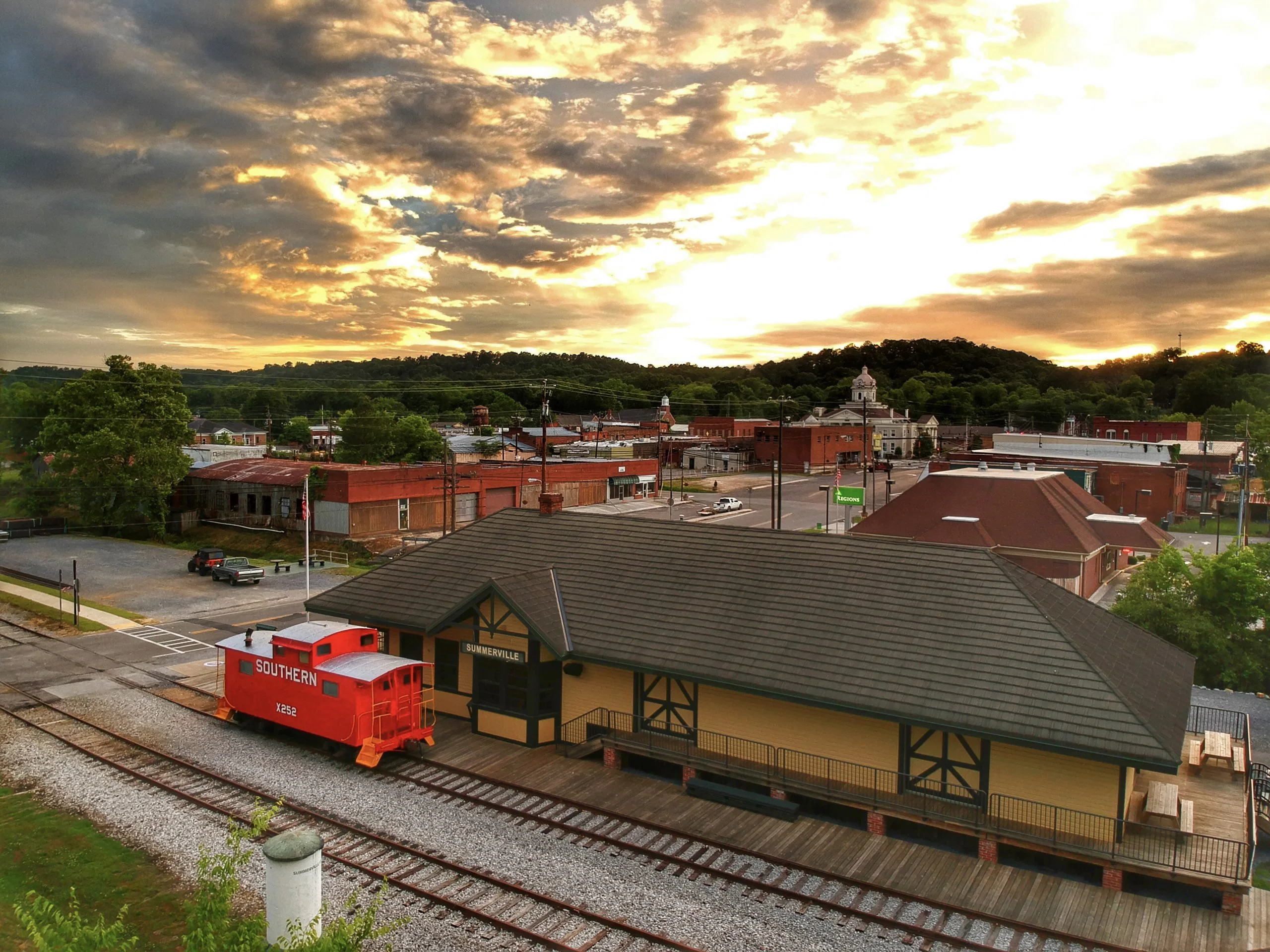
Summerville is an in-town Augusta neighborhood with more history, institutional context, and local identity than a generic suburb or edge district, so the event brief needs to respect place as much as convenience.

Open this location →
National Hills

Location

National Hills

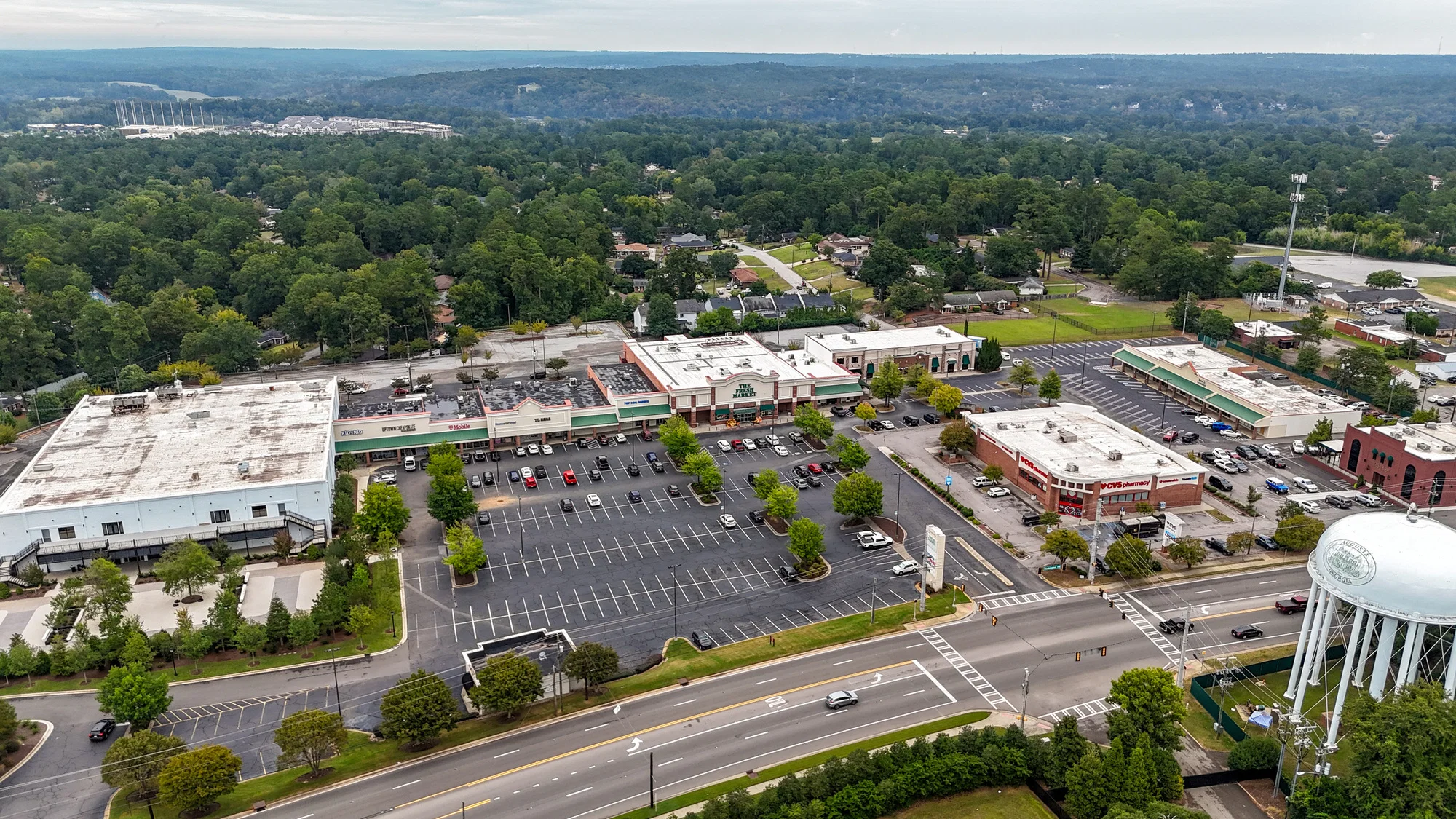
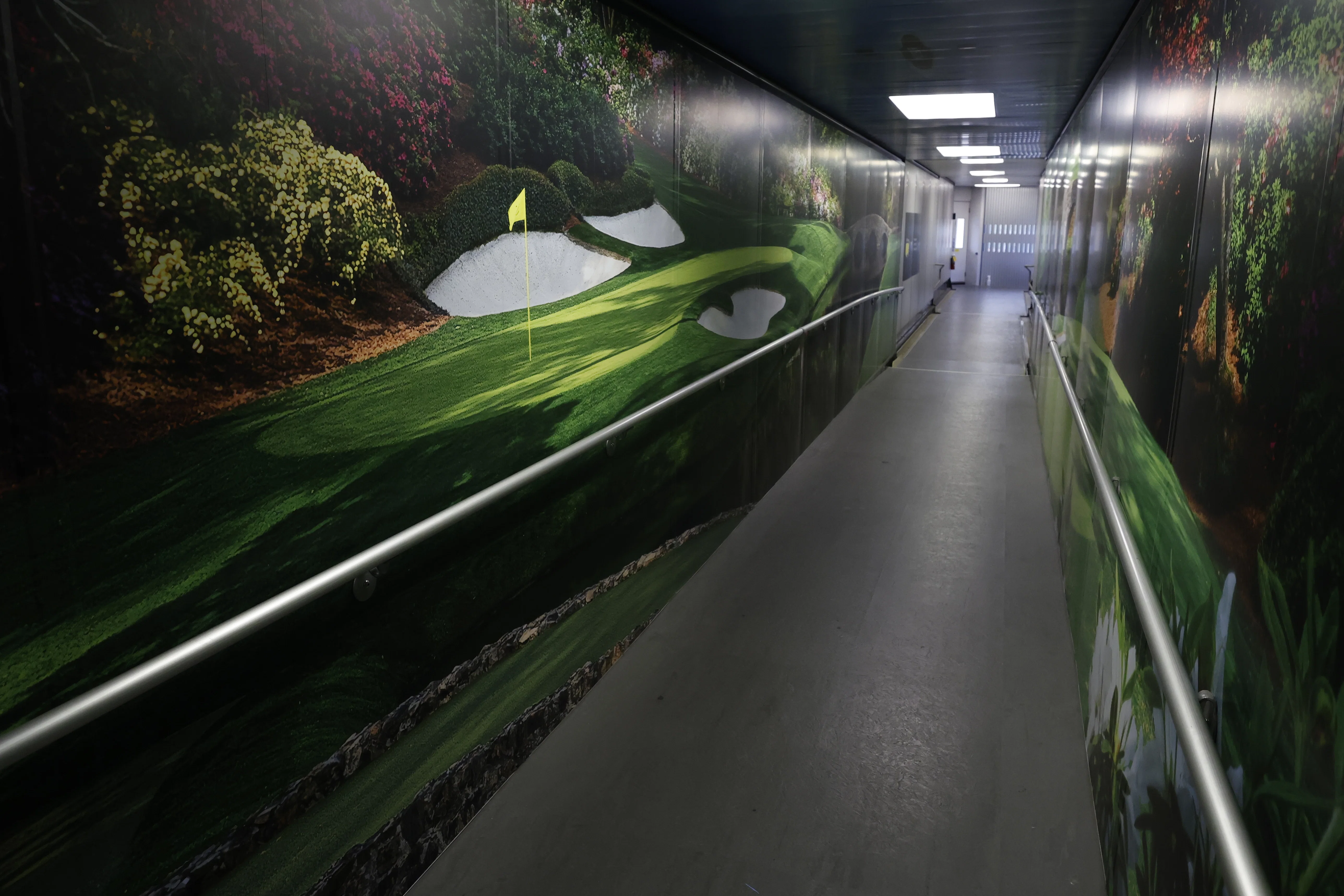
National Hills is an Augusta hospitality corridor where the event brief is formed by hotel inventory, Washington Road traffic, and the district’s proximity to the Augusta National orbit more than by neighborhood intimacy.

Open this location →
West Augusta

Location

West Augusta

West Augusta is the hotel and commercial corridor side of the market, where the value is easier access, lodging practicality, and a less compressed event day than downtown usually creates.

Open this location →
Washington Road Corridor

Location

Washington Road Corridor

Washington Road Corridor is the practical hotel-and-dinner strip, where the planning value is not civic atmosphere but easy room blocks, chain-hotel familiarity, sponsor meals, and a day that keeps people near parking lots and…

Open this location →
South Augusta

Location

South Augusta

South Augusta is the practical, access-driven side of the market, where the job is usually about reaching people, crews, or facilities efficiently rather than building an event around scenery or downtown prestige.

Open this location →
Hephzibah

Location

Hephzibah

Hephzibah is a south-side Augusta district where the event brief usually leans more local, residential, and practical than downtown or the suburban-growth corridors ever do.

Open this location →
Blythe

Location

Blythe

Blythe is the quiet south edge of the Augusta market, where the event brief usually depends on local roots, easier land use, and a much more low-pressure arrival pattern than the city-facing districts carry.

Open this location →
Martinez

Location

Martinez

Martinez is a suburban Augusta district where the event brief usually depends on convenience, developed local infrastructure, and a more polished neighborhood-commercial rhythm than smaller nearby districts carry.

Open this location →
Evans

Location

Evans

Evans is the polished suburban-growth side of the Augusta market, where the event brief usually leans toward convenience, newer commercial patterns, and audience expectations formed by Columbia County’s faster-moving corridor.

Open this location →
Grovetown

Location

Grovetown

Grovetown is a fast-growing metro-adjacent district where the event brief usually leans suburban, practical, and growth-oriented rather than historic or rural.

Open this location →
Harlem

Location

Harlem

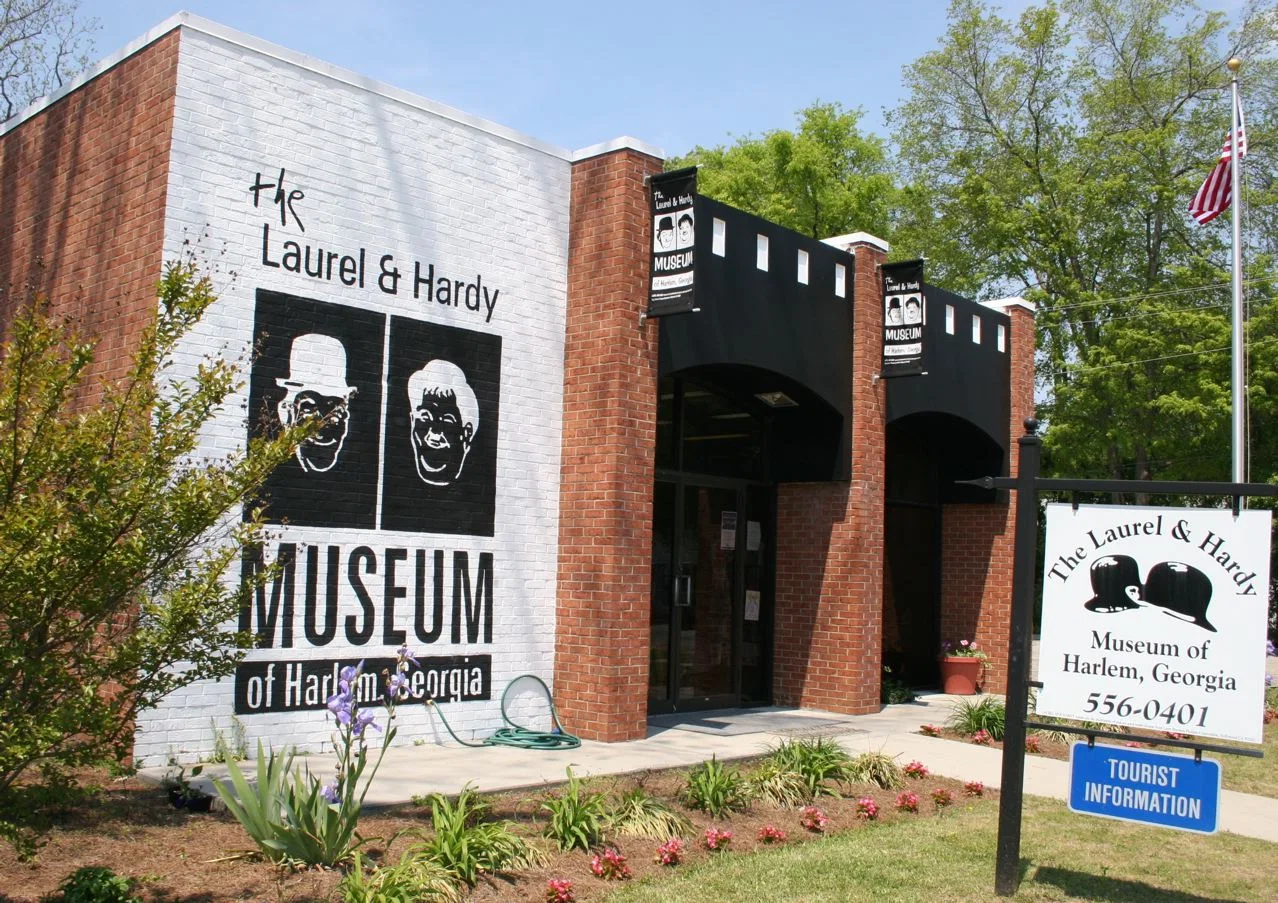
Harlem is a small-town, western-edge Augusta district where the event brief usually leans community-facing, quieter, and more local than the core market ever does.

Open this location →
Appling

Location

Appling

Appling is a rural, county-seat side of the Augusta market where the event brief usually depends on local reach, space, and a more spread-out travel pattern than the tighter metro districts carry.

Open this location →
Thomson

Location

Thomson

Thomson is a westbound corridor market, so the first question is whether the event belongs on that route and what the extra distance is supposed to solve compared with staying closer to Augusta.

Open this location →
Waynesboro

Location

Waynesboro

Waynesboro is a farther regional node, so the planning problem is about distance, commitment, and whether the event really belongs outside the immediate Augusta orbit.

Open this location →
Wrens

Location

Wrens

Wrens is a farther, county-centered market node, so the event has to justify being out there and account for the more regional travel logic that comes with it.

Open this location →
North Augusta

Location

North Augusta

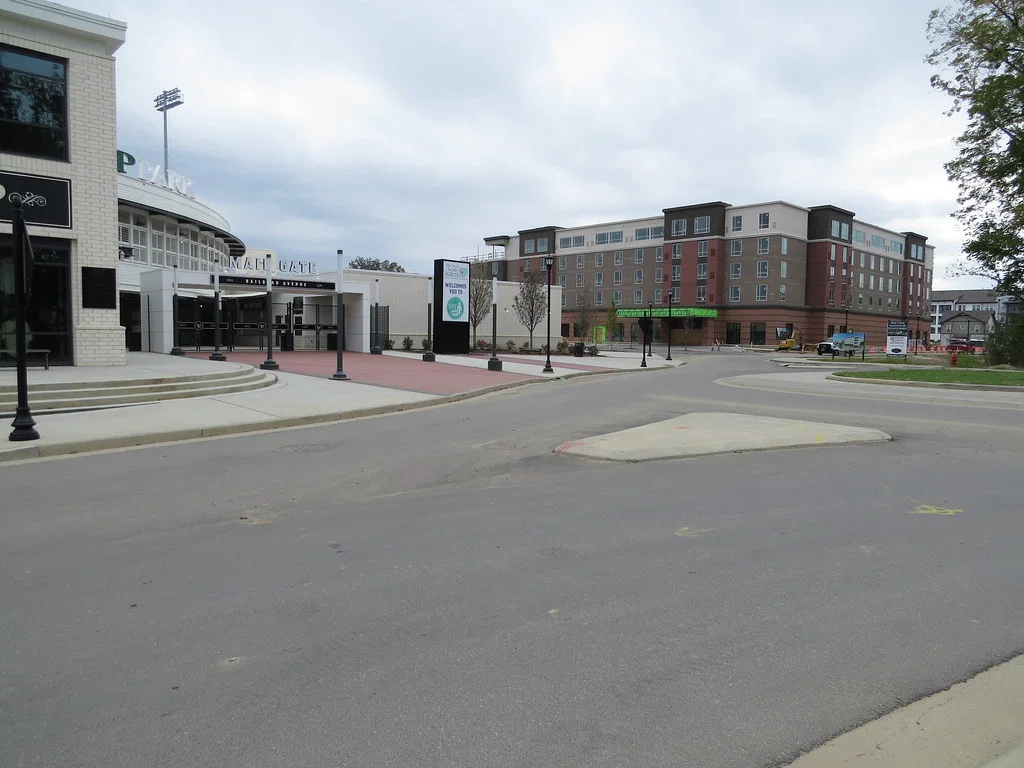
North Augusta is a Riverside Village, SRP Park, and hotel-hospitality decision, not a broad host-city section. The draw is the calmer riverfront loop, bridge-linked access, Center Street movement, and a guest experience that feels…

Open this location →
Riverside Village

Location

Riverside Village

Riverside Village is a place-led Augusta-area location where the event brief usually depends on atmosphere, walkability, and how the district’s river-adjacent identity shapes the guest’s sense of outing.

Open this location →
Belvedere

Location

Belvedere

Belvedere is a smaller South Carolina-side district near the Augusta edge, where the event brief usually depends on local accessibility and a quieter neighborhood pattern rather than on metro-scale energy or polished suburban growth.

Open this location →
Clearwater

Location

Clearwater

Clearwater is a near-Augusta South Carolina district where the event brief usually leans local, familiar, and practical rather than high-profile or destination-driven.

Open this location →
Beech Island

Location

Beech Island

Beech Island matters in Augusta when it changes venue coordination, labor timing, freight, graphics, and room-level sequencing, not simply when it sounds good in a scope list.

Open this location →
Aiken

Location

Aiken

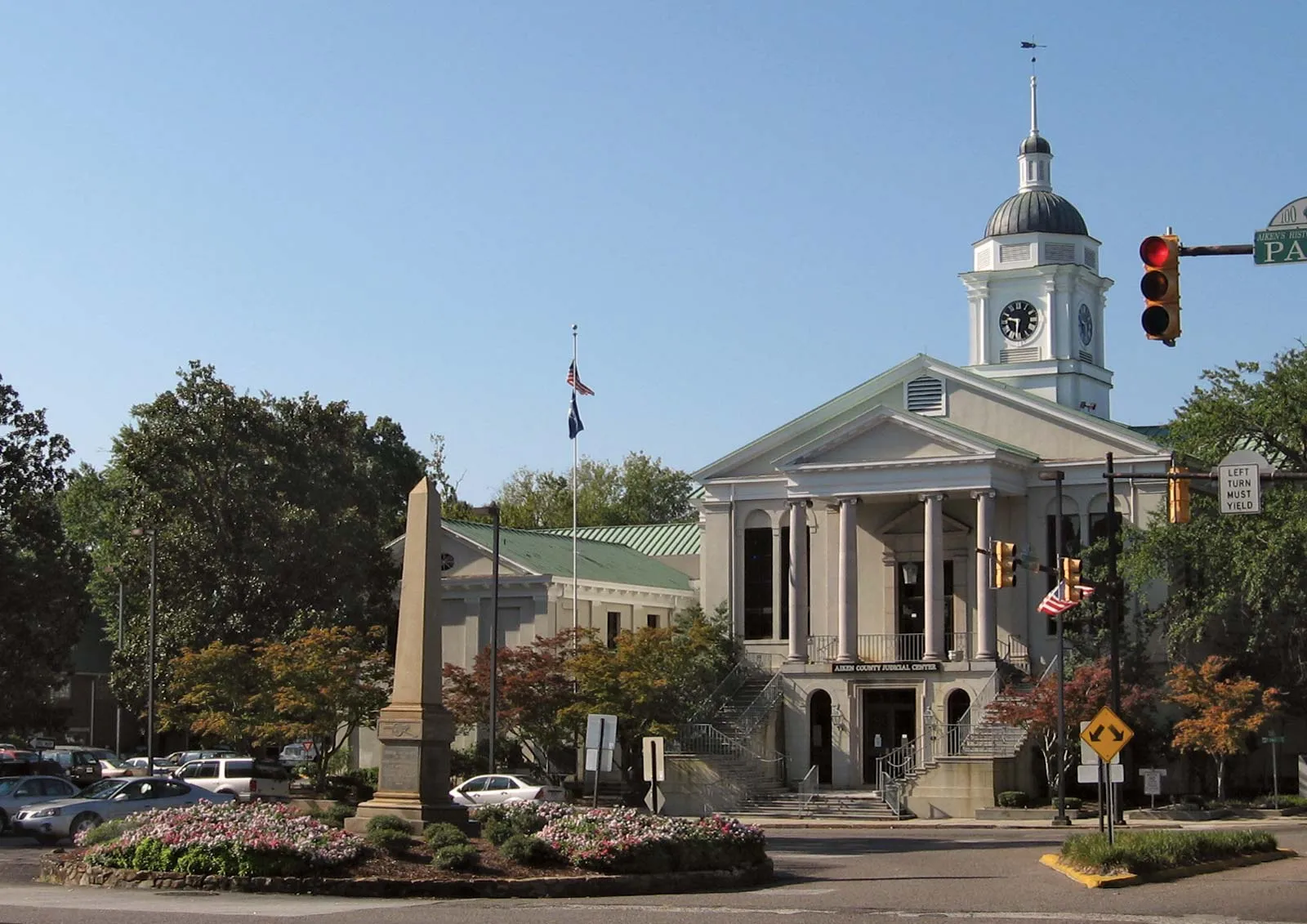
Aiken is the horse-country and clubhouse side of the CSRA. It works when the host wants front-drive arrivals, committee-room calm, veranda conversations, and a guest list that prefers private tables over street traffic.

Open this location →
Downtown Aiken

Location

Downtown Aiken

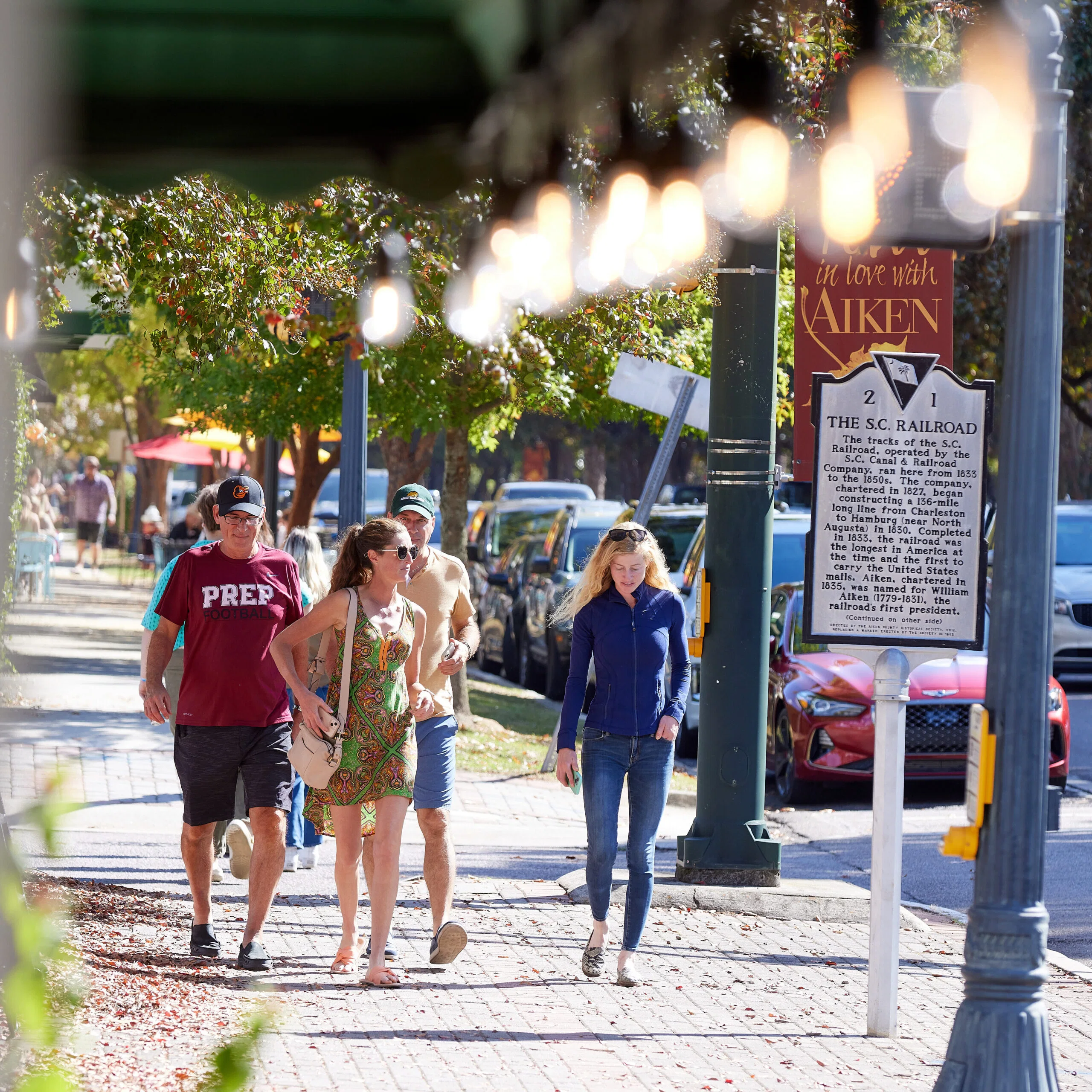
Downtown Aiken is the crosswalk-and-cocktail version of the market. The reason to use it is host-stand walkability, storefront energy, patio seating, reservation handoffs, and the sense that the evening keeps going once the formal…

Open this location →
Graniteville

Location

Graniteville

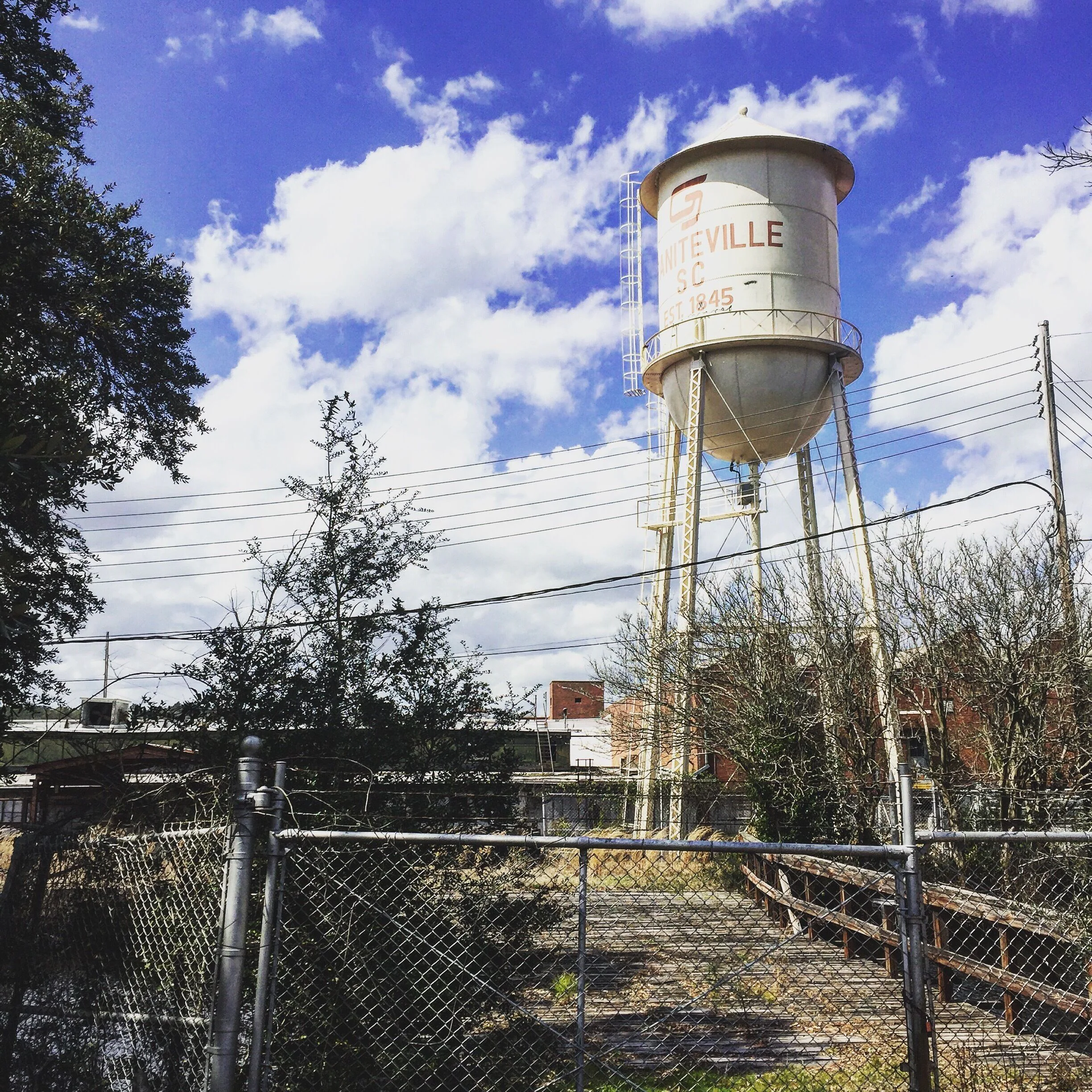
Graniteville is a mill-side, South Carolina access district where the brief usually leans practical and local. The value is not downtown visibility but a steadier operating pattern tied to the Aiken side of the market.

Open this location →
Warrenville

Location

Warrenville

Warrenville is an outer-market logistics and local-access district, where the value is not central-city hospitality but straightforward routing and a lower-pressure event day.

Open this location →
New Ellenton

Location

New Ellenton

New Ellenton is a small South Carolina edge-market choice where the event brief usually depends on neighborhood familiarity, practical local access, and a quieter civic pace than the main Augusta hospitality corridors carry.

Open this location →
Edgefield

Location

Edgefield

Edgefield is a historic county-seat market with a slower, more heritage-toned local identity than the nearer Augusta districts, so the event brief needs to respect place and purpose more than simple convenience.

Open this location →
Johnston

Location

Johnston

Johnston is a more separate county-town market outside the immediate Augusta neighborhood frame, so the event brief has to justify the route and the local-center logic that comes with it.

Open this location →
Columbia County

Location

Columbia County

Columbia County is not one interchangeable Augusta suburb. It is the wider growth-side county system, which means the event brief has to account for school, business, and family movement spread across multiple nodes rather than one…

Open this location →
Fort Eisenhower

Location

Fort Eisenhower

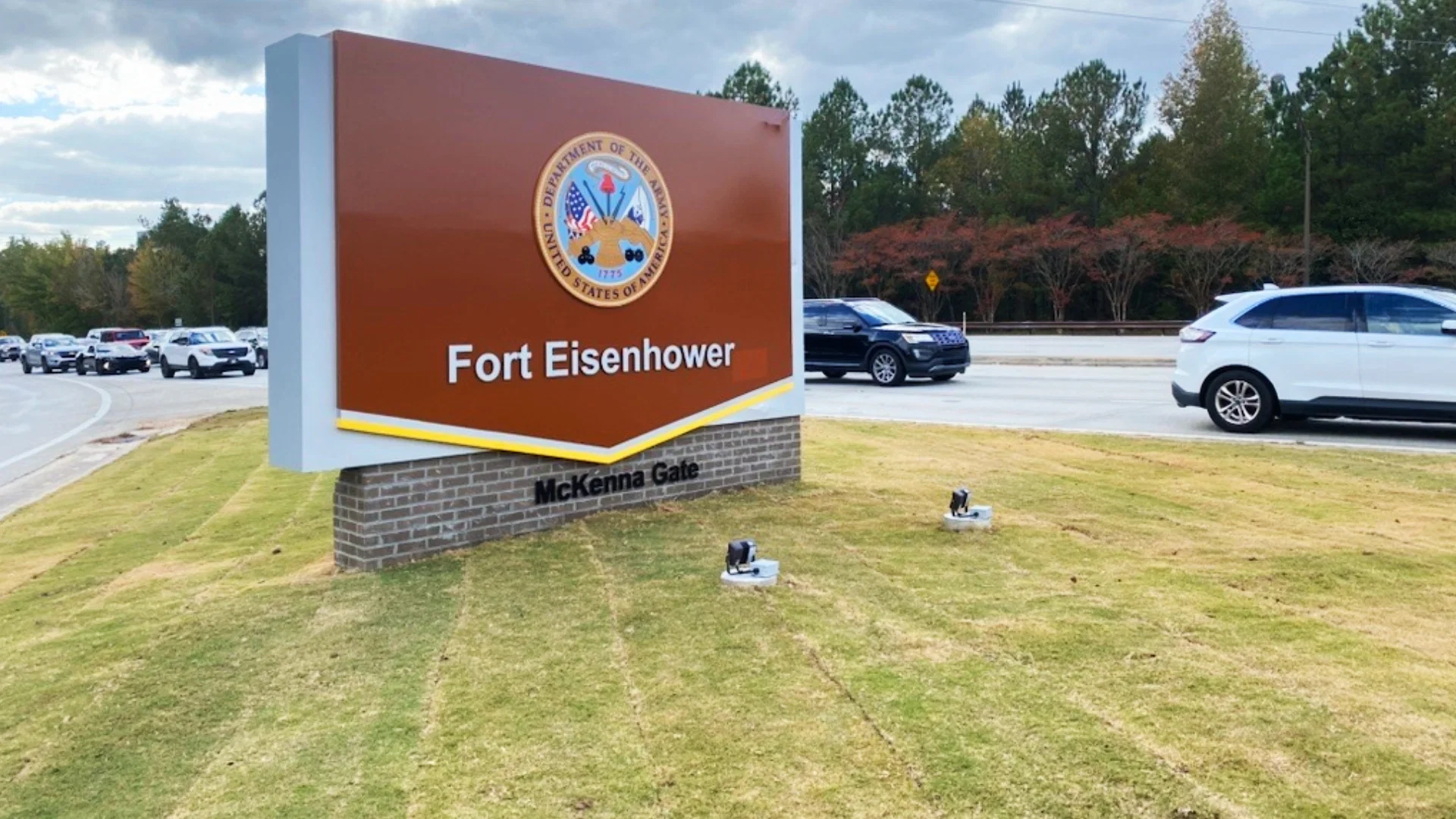
Fort Eisenhower is a mission-shaped Augusta location where the event brief is governed by base context, credential expectations, and a much more structured audience profile than a normal suburban district carries.

Open this location →
Augusta Regional Airport Corridor

Location

Augusta Regional Airport Corridor

Augusta Regional Airport Corridor is the fly-in and crew-timing zone. The planning burden here is about arrivals, rental cars, shuttle turns, early call times, and keeping people close to the airport when the schedule values speed…

Open this location →

Where locations sit in Augusta's event landscape

Augusta's event landscape spans convention floors, hotel ballrooms, civic venues, and outdoor properties. The locations layer has a specific job inside that broader picture.

Trade Show Services of Augusta builds locations around Augusta venues, CSRA travel patterns, and the sequencing that decides whether a show week stays calm or gets messy. That framing is what separates this index from a flat city directory.

Where locations usually land across Augusta venues

Augusta's venue mix runs from convention floors and conference hotels to civic landmarks and outdoor settings. The locations index points to where each format actually fits.

That match-up matters because the venue carries half of the operational weight; the locations brief carries the other half.

How locations run inside Augusta's operating rules

Augusta venues each publish their own load-in windows, labor rules, and service expectations. For the locations side, those rules shape the design and the field plan.

That is the difference between a locations program that lands cleanly and one that runs into the venue's calendar in the last 48 hours.

Planner questions

Locations planning questions

Do you work at Miller Theater?

Yes. The theater offers Brian J. Marks Hall, the Founders Room, and the KMI Loft under one roof, with capacity for up to 144 seated dinner guests, 500 standing reception guests, or nearly 1,300 seated in the main hall. Projects at that building are planned against its specific floor rules.

How does crew planning work across locations?

Labor for Augusta locations is venue-specific. Each property publishes its own rules, the show organizer adds another layer, and the program brief sets the rest. Crew sizing follows from those three inputs in that order.

How much lead time should locations planning leave?

Earlier is better. Custom builds for Augusta locations run best with sixteen to twenty weeks; rentals run shorter; calendar-sensitive programs need nine to twelve months on lodging and labor.

What kicks off planning across locations?

Date, venue or shortlist, expected headcount, and a budget range. Those four pieces are enough to test whether the locations brief can actually land in Augusta as intended.

Who is the on-site lead across locations?

One named field lead carries the schedule, the floor plan, and the venue contact. That stays the standard regardless of which locations entry the program is using.

Do locations translate to other markets?

Often, yes. The locations discipline carries; the venue-specific rules do not. Modular builds, repeatable playbooks, and refreshed graphics are how the program shows up clean in the next city.

What happens if a problem hits during a live locations program?

The on-site lead handles it: minor fixes in place, bigger issues routed through the venue's service desk or a local shop. The pattern is the same across locations; the speed of the response is what differs.

Ready to brief your project?

Need help narrowing the right location path?

Start with the venue, show date, service mix, and project goals. From there we can sort the routing, staffing, and service-order calls that matter most once the schedule tightens.

Start a conversation →