
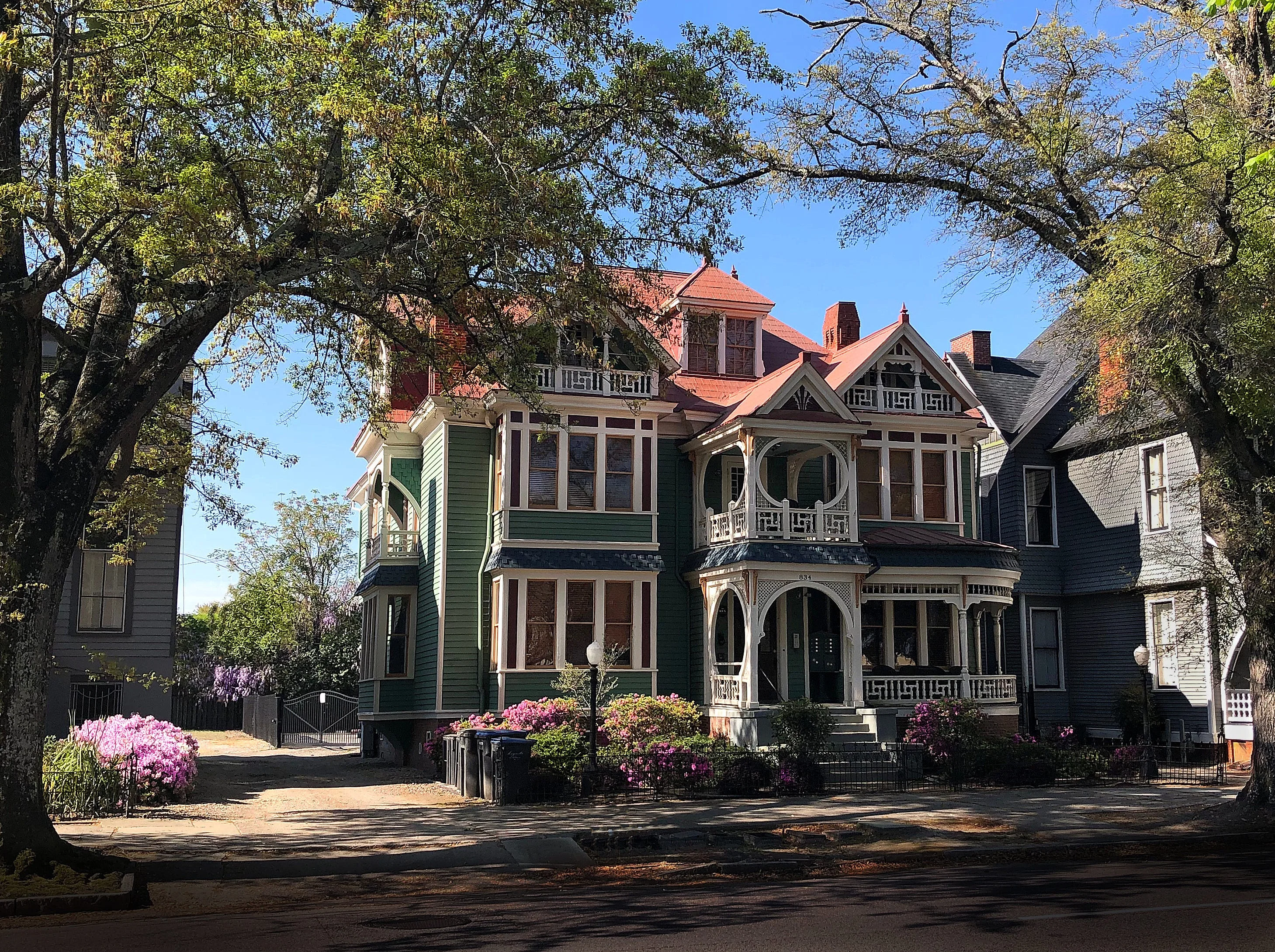
This section is for the buyer who has not picked the operating zone yet. Augusta can hold a medical conference, a downtown badge-heavy exposition, a city-facing civic event, a Washington Road room-block program, or a regional meeting that needs multiple hotel and parking options working at once.
That makes the section about choosing the right Augusta machine. The question is not whether Augusta is in play. It is whether the event belongs in the downtown convention grid, around the hospital system, in the hotel corridor, or near arrival routes that keep the wider region moving.
Execution priorities
- Choose between downtown, Augusta University and medical access, Washington Road hotels, airport-side logistics, and civic inventory before locking a venue.
- Separate convention, hospital-linked, hotel, civic, and defense-adjacent venue families instead of flattening them together.
- Use parking behavior, room-block depth, and regional drive patterns as real planning inputs.
- Treat Augusta as a multi-district operating machine, not one generic hospitality pin.
Trade show work in Augusta
Anchor city for the convention center, riverfront hotels, museums, theaters, and the broadest concentration of Augusta event demand.
Augusta sits in the Core market area.
Projects in Augusta get scoped the same way as work in the Augusta core: venue, dates, footprint, and budget frame first, then the build plan. The difference is usually in freight routing and which nearby buildings are the closest fit.
Operational rules on the Augusta floor
Augusta floor operations follow the venue's own manual.
Augusta Convention Center — Outside contractors must be approved by the official service contractor and routes electrical, audiovisual, internet, and rigging through Encore, showing a managed convention-center service path rather than an open-choice default.
Practical planning rules for Augusta in Augusta: Use phrases such as 'venue-directed services', 'official exhibitor guide', 'service manual review', 'managed planning support', and 'show-contractor coordination aligned with current venue rules'. Treat Augusta as a CSRA market where downtown convention work, suburban exhibition halls, stadium hospitality, university facilities, and boutique hotels each behave differently.
Augusta venues we work
Newberry Hall: banquet seating for 220 to 250 and hors d'oeuvre reception capacity for 325.
Edgar's Above Broad.
Augusta Convention Center is one of the anchors.
What drives the schedule in Augusta
In Augusta, the calendar is driven by the district's own movement: hospitality demand, traffic patterns, and the venues already operating in the area.
That pressure is real and structural; the program plans against the rhythm the district is already running rather than imposing a schedule that ignores it.
What ends up on a program in Augusta
A program landing in Augusta carries line items formed by the district. Travel, hospitality, parking, and local labor depth all show up before any booth-level scope does.
The schedule earns its keep when those district-specific items are visible early, because the reason to use the area in the first place has to survive contact with the budget.
What an engagement actually looks like
Everything downstream hinges on those answers.
Venue coordination comes next.
With venue details locked, production runs.
The install phase has one owner on the floor.
During show hours, the booth is a live operating space.
Pricing and scheduling
The levers that matter: build path (custom, rental, or hybrid), footprint, venue service fees, graphics, freight, and supervision days. A 10x10 turnkey rental and a 30x50 custom island with a double deck are entirely different projects.
A clean schedule starts 4 to 5 months out for custom work and 2 to 3 months for rentals. Shorter lead times are workable but push rush premiums and limit material choices.
What a successful project looks like
Exhibitors who measure programs seriously track leads, floor-booked meetings, and post-show pipeline. The build and the install are upstream inputs to those KPIs.
Client teams sometimes want the booth to carry the pipeline on its own, but the best-performing programs treat the booth as a platform and put real operators on it. On-floor conversation discipline moves the KPIs more than any scenic decision.
What makes our work different
The difference from a national vendor shows up at the dock.
Over a multi-show calendar, the compound value of a single team shows up in fewer surprises. The second install is faster than the first, the third is faster than the second, and by the fourth the project runs on memory and documentation rather than first-principles planning.
Augusta planning questions
Do you work at Augusta Convention Center?
Yes.
How does crew availability work in Augusta?
In Augusta, crew planning has to track the district's pace and the venues actually operating inside it. Local labor depth is part of why the area gets chosen, not an afterthought.
How early should planning for Augusta begin?
Early enough to choose venue, hospitality, and timing inside the district instead of accepting whatever is left. In Augusta, the right operating posture only stays achievable with real lead time.
What is needed to start planning in Augusta?
The audience, the program purpose, and a candidate venue or shortlist inside Augusta. That is enough to test whether the district is the right call before money moves.
Who runs the program on-site in Augusta?
A named field lead with the schedule, the floor plan, and the local context for Augusta. That role keeps the day from collapsing into a series of separate ad-hoc calls.
Does a program built for Augusta translate to other markets?
Partially. The place-specific parts of Augusta have to be re-thought somewhere else; the general planning disciplines usually carry over fine.
What happens if a vendor or venue issue lands mid-show in Augusta?
The field lead handles it locally. Most fixes are inside the district; bigger issues get routed to the right vendor without flooding the team back at base.