
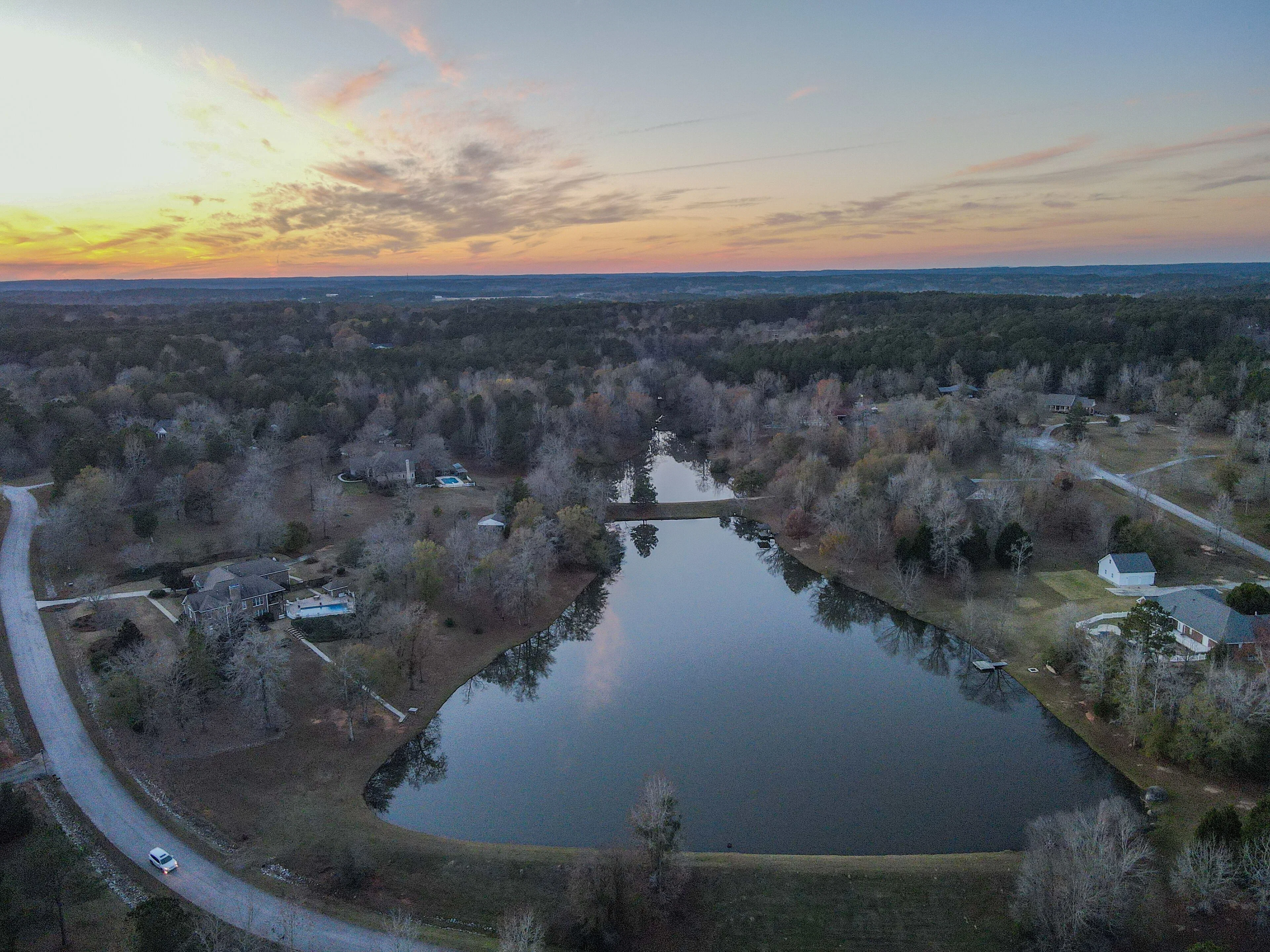
Grovetown matters because it feels like outward Augusta expansion: newer neighborhoods, commuter logic, easier growth-corridor assumptions, and a different mix of local practicality than older town centers carry.
That makes the section about momentum, suburban access, and metro-adjacent convenience, not about county-seat heritage or small-town identity.
Execution priorities
- Use Grovetown for growth-corridor practicality and access.
- Plan around suburban movement and metro-adjacent ease.
- Treat the district like expansion territory, not a historic center.
- Keep the brief grounded in momentum and convenience.
What Grovetown actually looks like inside Augusta
The grovetown is a fast-growing metro-adjacent district where the event brief usually leans suburban, practical, and growth-oriented rather than historic or rural. That is the planning frame for the grovetown.
The rest of the Augusta market behaves differently, so the brief for the grovetown starts with the district's own movement instead of borrowing assumptions from downtown or the convention zone.
Augusta convention venues and meeting properties
a few Augusta venues carry most of the calendar.
Topgolf Augusta.
The Pavilion can host up to 150 guests and the VIP Deck up to 75 guests for private or semi-private events.
Snelling Conference Center is one of the anchors.
USCA Convocation Center: the Convocation Center is a 97,600-square-foot facility with capacity ranging from 3,500 to 4,100 patrons, retractable seating, a VIP room for up to 200 patrons, and rentable meeting space.
Augusta labor and venue services
Columbia County Exhibition Center: the county's current sales material emphasizes rentable exhibition space, breakout rooms, concessions, and facility contact paths.
Treat Augusta as a CSRA market where downtown convention work, suburban exhibition halls, stadium hospitality, university facilities, and boutique hotels each behave differently. When a venue has a named service path or staffing schedule in public documents, tie copy to that path rather than making sweeping citywide labor statements.
What ends up on a program in Grovetown
A program landing in the grovetown carries line items formed by the district. Travel, hospitality, parking, and local labor depth all show up before any booth-level scope does.
The schedule earns its keep when those district-specific items are visible early, because the reason to use the area in the first place has to survive contact with the budget.
The process from start to finish
After the brief, the work turns to the building itself.
Install days are owned by a single on-site lead.
Throughout show hours, the on-site lead stays present.
Strike and closeout happen the same day.
What drives cost and timing in Grovetown
Working in the grovetown affects budget through travel time, available labor depth, and the venues that are realistically usable inside the district. Smaller districts trade flexibility for atmosphere.
Lead time is formed by the district's rhythm; programs that ignore the grovetown's actual pace pay a premium to recover later in the calendar.
Outcomes we optimize for
Most programs in Augusta are evaluated on lead-capture volume, meetings booked on the floor, and qualified-pipeline attribution after the show. The booth is a means to those numbers — it is not the number itself.
A week after the show, the booth's actual floor performance is already clearer than any pre-show projection. We document those observations alongside the technical closeout so the next cycle inherits real signal, not nostalgia.
Working Grovetown the right way
The grovetown is a fast-growing metro-adjacent district where the event brief usually leans suburban, practical, and growth-oriented rather than historic or rural. That is the operating reality the right operator already understands when planning starts.
On a real job, that shows up in how the grovetown is staffed, sequenced, and timed; the program lands the way the district can actually support, not the way a generic citywide playbook assumed.
Grovetown — what the area looks like for events
Grovetown sits in the Columbia County area.
Production for the grovetown shows starts with the same brief we run for the rest of Augusta: venue specifics, show dates, footprint, outcome. Freight paths and local vendor availability are the variables that shift from the city core.
Grovetown questions
Do you work at Augusta Marriott at the Convention Center?
Yes.
How does crew availability work in Grovetown?
In the grovetown, crew planning has to track the district's pace and the venues actually operating inside it. Local labor depth is part of why the area gets chosen, not an afterthought.
How early should planning for this work begin?
Early enough to choose venue, hospitality, and timing inside the district instead of accepting whatever is left. In the grovetown, the right operating posture only stays achievable with real lead time.
What is needed to start planning in the program?
The audience, the program purpose, and a candidate venue or shortlist inside the grovetown. That is enough to test whether the district is the right call before money moves.
Who runs the program on-site in this service?
A named field lead with the schedule, the floor plan, and the local context for the grovetown. That role keeps the day from collapsing into a series of separate ad-hoc calls.
Does a program built for the plan translate to other markets?
Partially.
What happens if a vendor or venue issue lands mid-show in this work?
The field lead handles it locally.