
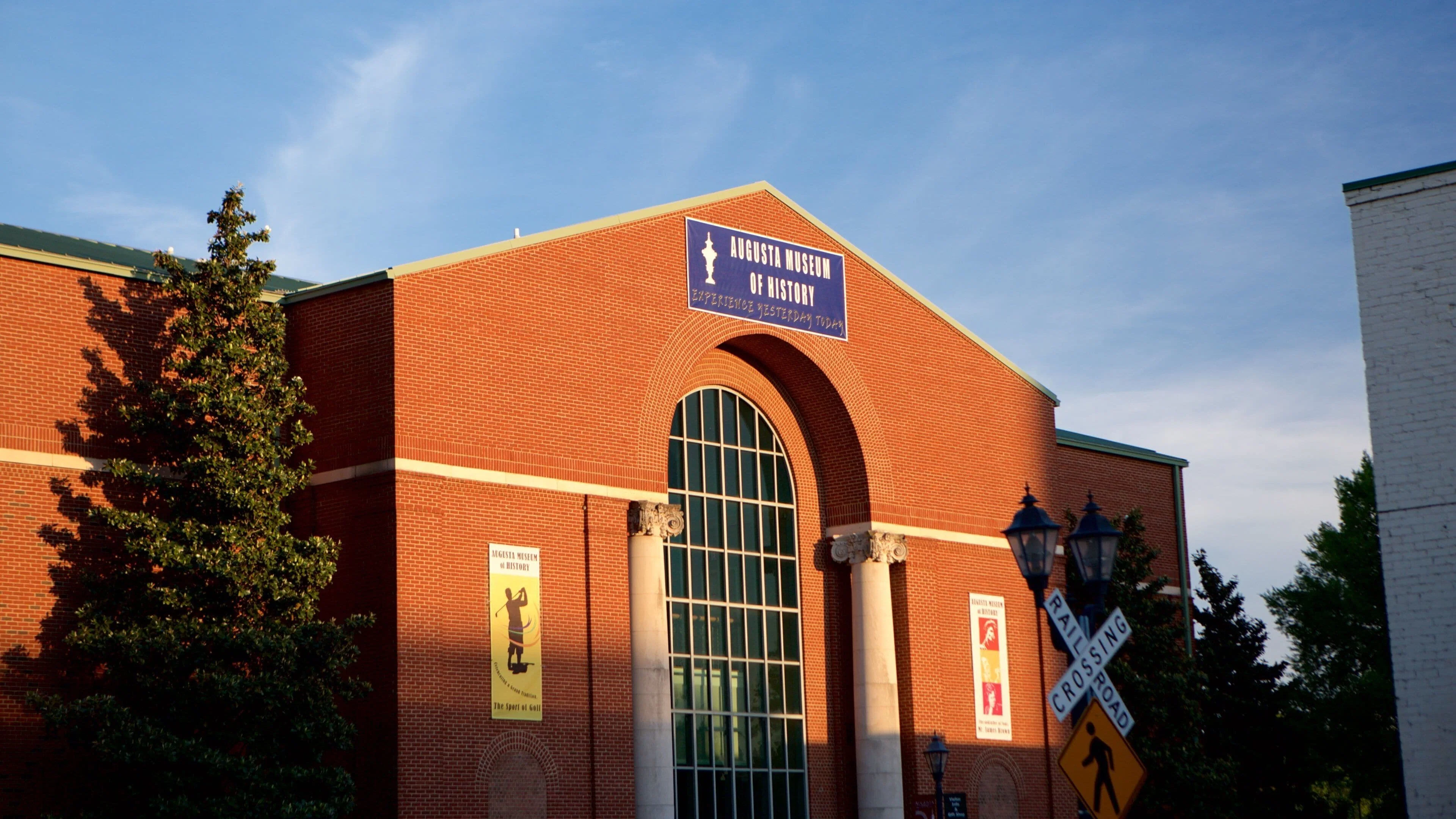
This venue matters when the host wants the building to speak in a specifically Augusta voice. The museum's rental program includes four indoor venues, the Rotunda, and gallery add-ons that can turn a dinner, donor event, or leadership reception into something anchored in local history instead of a neutral ballroom atmosphere.
The section has to sound civic and institutional rather than decorative.
Verified venue facts
- The museum's official rentals section says the property offers four indoor venues for corporate, nonprofit, and social events.
- The official weddings-and-special-events section says the Rotunda can host standing receptions for up to 250 guests or seated dinners for up to 140 with room for dancing.
- The museum markets gallery add-ons and additional small spaces, giving downtown Augusta planners a managed cultural venue instead of a standard hotel room.
Execution priorities
- Use the museum when Augusta history materially strengthens the invitation and the guest experience.
- Plan around the Rotunda, rentable galleries, and event sequencing instead of flattening the property into one generic room.
- Treat the building as a public-history institution that happens to host events, not the other way around.
What drives the schedule at Augusta Museum of History
At Augusta Museum of History, the calendar is governed by the building's published holds, the show or event window, and the surrounding date pressure that the venue is already absorbing.
The way to plan around that is to shape the program against the venue's reality rather than asking the venue to bend; the building's calendar is a constraint, not a negotiation.
How Augusta floor operations work
Labor in Augusta runs venue-by-venue, not citywide.
Practical planning rules for the history in Augusta: Use venue-managed hospitality language for hotels, museums, stadiums, rooftop venues, and golf-week hospitality properties.
Scope at Augusta Museum of History
a bad one has many, because they weren't.
Out of scope by default are show organizer fees, booth lease costs paid directly to the show, staff travel and per diems, and any custom software or data-capture tooling the client runs on its own stack. Those stay on the client side and plug into the project through coordination, not rebilling.
How a project runs
Once scope is clear, the venue work begins.
One named show-site lead runs the install.
That document drives the next booking.
What it costs and how fast it moves
Cost scales with how it is built, how big it is, what the venue charges for its own services, what the graphics look like, how far the crates travel, and how many days the team stays on-site.
Rental programs run on 8 to 12.
What a successful project looks like
Trade show ROI is measured at the lead and pipeline level.
The post-show debrief is where the numbers get connected back to the physical booth. Which demo station drew traffic, which meeting area closed more conversations, which graphic zone attracted dwell time — that feedback shapes the next build rather than getting lost.
How we're built to run your project
Local fabrication means real-time problem-solving. A graphic that needs to be reprinted at 6 a.m.
Clients who run repeat programs across multiple dates end up paying less per event when the same team handles everything. Less re-briefing, less re-training, less re-checking — the operational overhead drops year over year.
The Augusta Museum of History footprint
The Rotunda can host standing receptions for up to 250 guests or seated dinners for up to 140 with room for dancing.
Located at Downtown Augusta Riverwalk.
Projects at the history start with its published floor plan, dock schedule, and service-order deadlines.
Augusta Museum of History questions
How does labor and crew time work at Augusta Museum of History?
At the history, crew is sized to the room, the load-in window, and whatever the venue's house team is already covering.
How far ahead should we book this work?
For the history, locking the date earlier protects the parts of the program that depend on the venue's behavior.
What information is needed to start a project at the program?
From there, the buildout plan can match what the history actually offers.
Who runs the room on-site at this service?
One named field lead carries the schedule, the punch list, and the venue contact at the history.
Can a build at the plan pack out and travel to the next city?
Most of the time, yes. The harder question is whether the next venue can absorb what the history let the program do.
What happens if something breaks during show hours at this work?
The on-site lead handles it. Minor fixes happen in place; anything bigger gets routed through the building's service desk or a local shop, with the history's house team in the loop.